
St Augustine, Florida
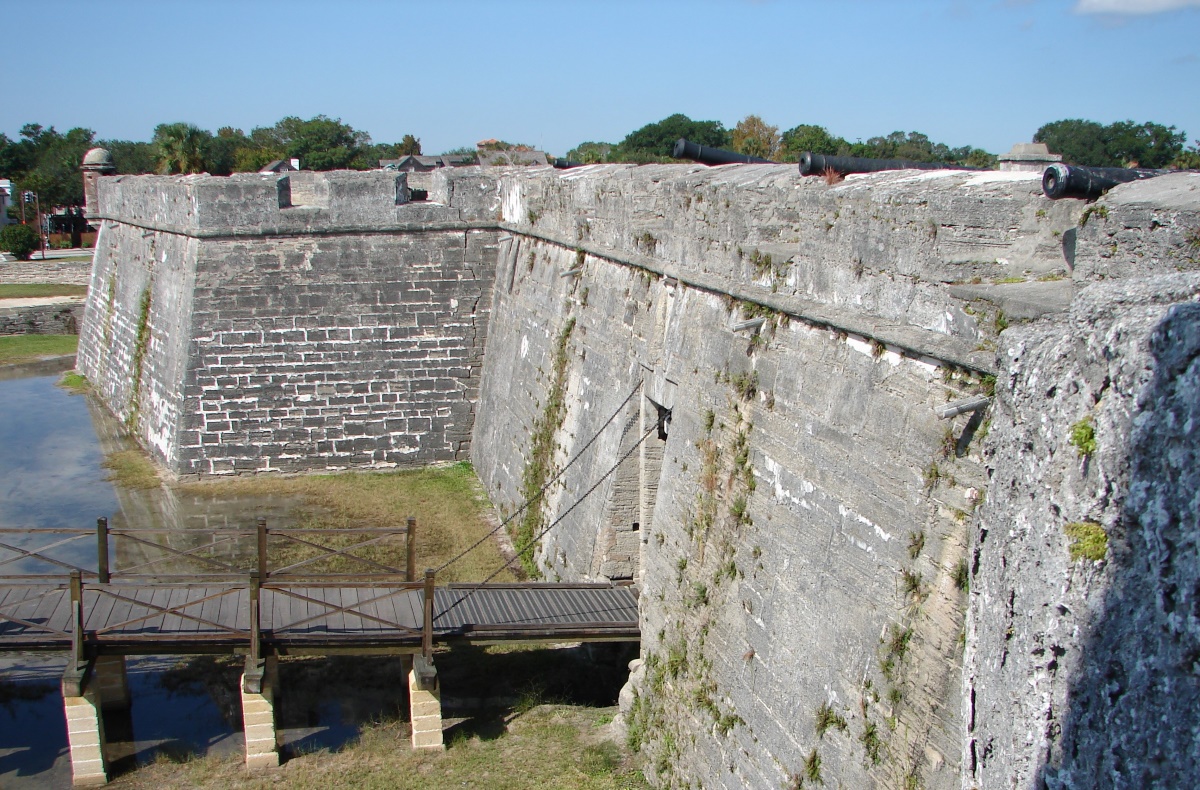
The historic town of St. Augustine, Florida, which claims to be the oldest city in the United States, was founded in 1565. The Castillo de San Marcos, nestled on the shores of St. Augustine’s Matanzas Bay, is a unique, bastion-style fortress that has served as a military post since 1672. Built from an indigenous and semi-rare stone composed of the shells of dead shellfish (called coquina), the Castillo de San Marcos stands today as the only 17th-century military structure in the nation; it’s also the oldest United States masonry fortress. Built by the Spaniards on Matanzas Bay between 1672 and 1695 to protect the city of St. Augustine. The fort is a bastioned structure of coquina with walls 33 feet high and 12 feet thick, surrounded by a moat (now dry). It was the 10th fort built on the site; the previous structures having been built of wood.
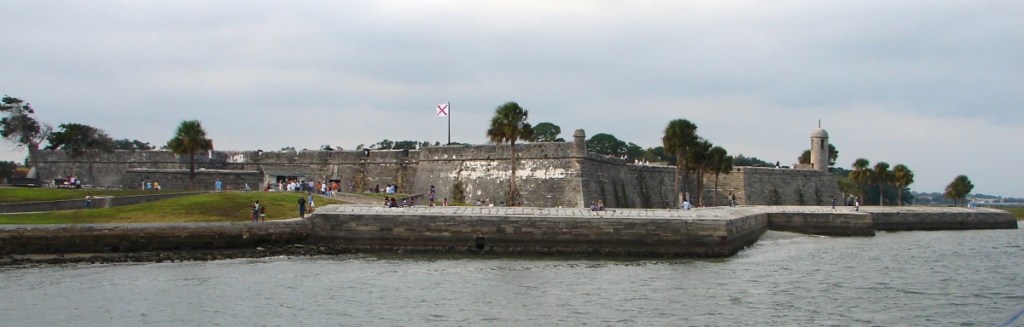
Over the course of its history, the Castillo de San Marcos has been controlled by Spain, Britain, Spain again, the United States which changed the name to Fort Marion, the Confederate States, and finally the United States again. The fort was never taken in battle, despite being besieged on two occasions. In addition to defending Saint Augustine, it has served at various times as a prison, including during the First American Period when the famous Native American leader Osceola was a prisoner there.
By the end of the 19th century, the fort was discontinued as a military base. It was established as Fort Marion National Monument in 1924, and it was renamed in 1942 back to its original name, Castillo de San Marcos.
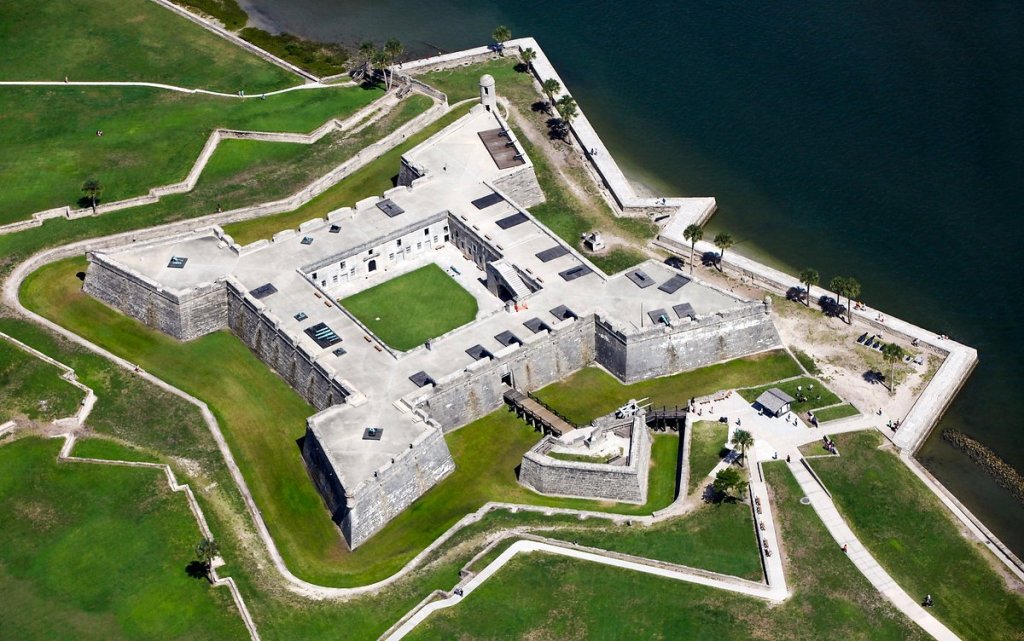
For the Disabled Traveler visiting the Castillo de San Marcos National Monument, the fort itself is three centuries old and accessibility is not always ideal. Free parking is available in the handicapped space in the visitor lot for properly identified vehicles. The parking lot and the fort’s lower level, which includes the fort rooms, the theater, the bookstore, and the restrooms, are wheelchair accessible. Most of the park’s pedestrian walkways are paved; however, those within the moat and covered way are sand and crushed shell stone. The gun deck on the second level can only be reached by stairs.
This fortress was constructed almost 350 years ago. It was built for warfare, not visitors. The Disabled Traveler needs to be mindful that it is not built to today’s safety standards. Surfaces are uneven, walls may crumble, and there are no safety rails. Use extreme caution when moving about in the rooms and especially on the gundeck.
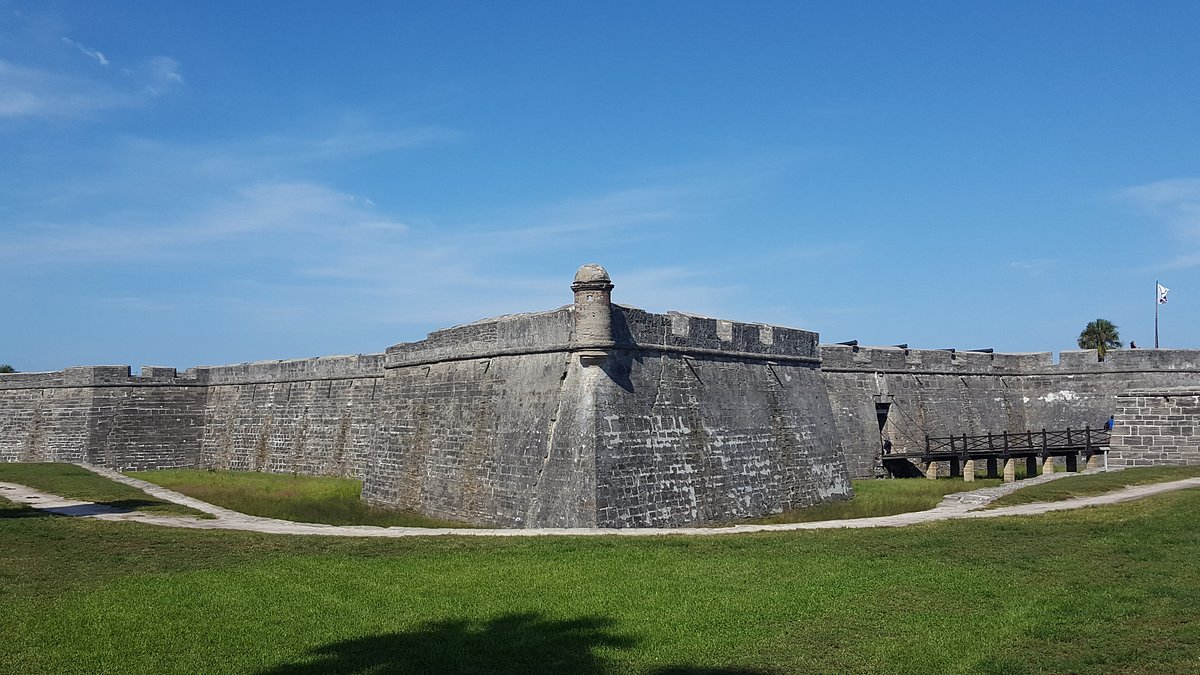
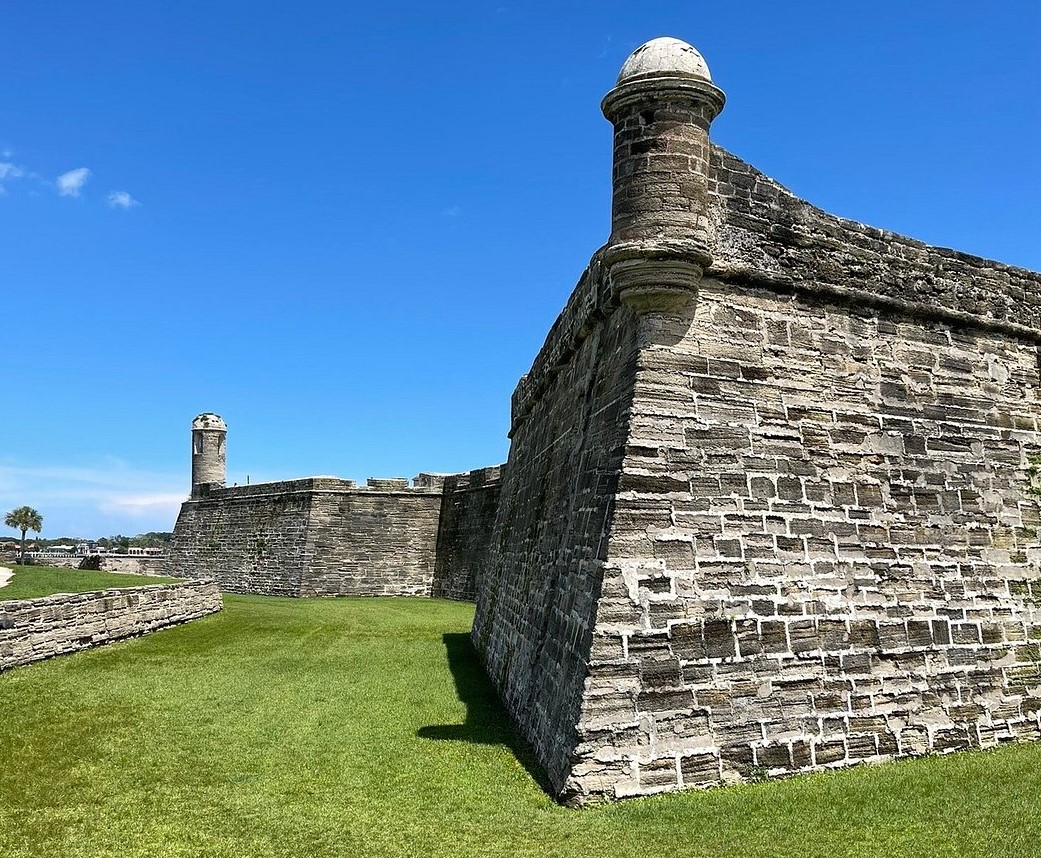
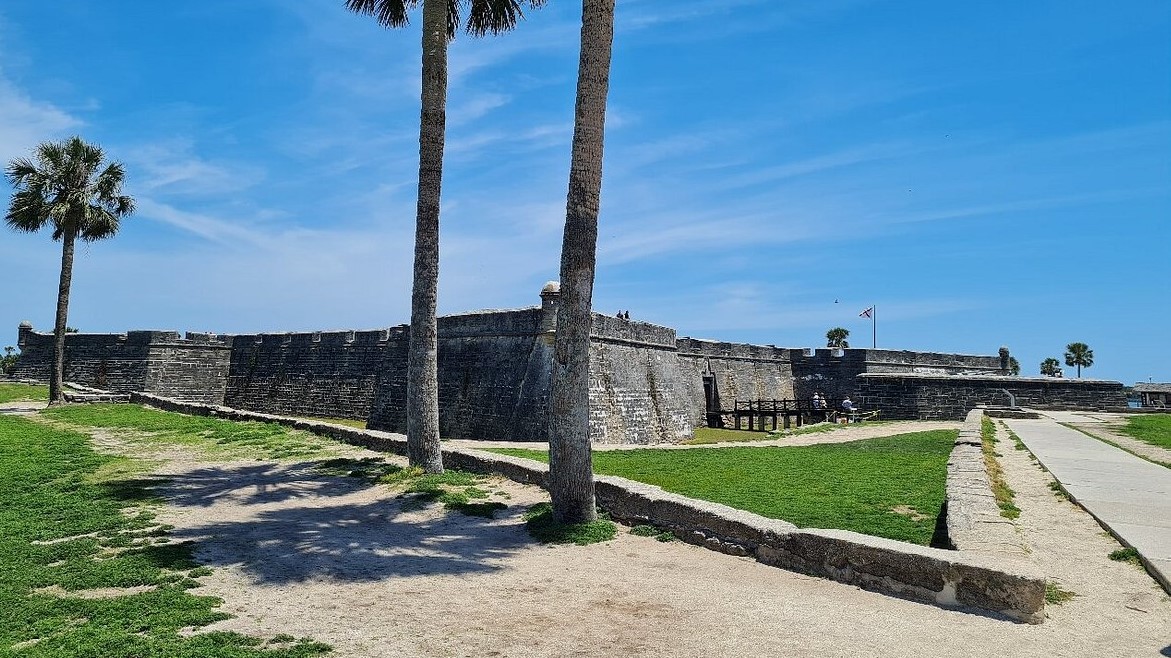
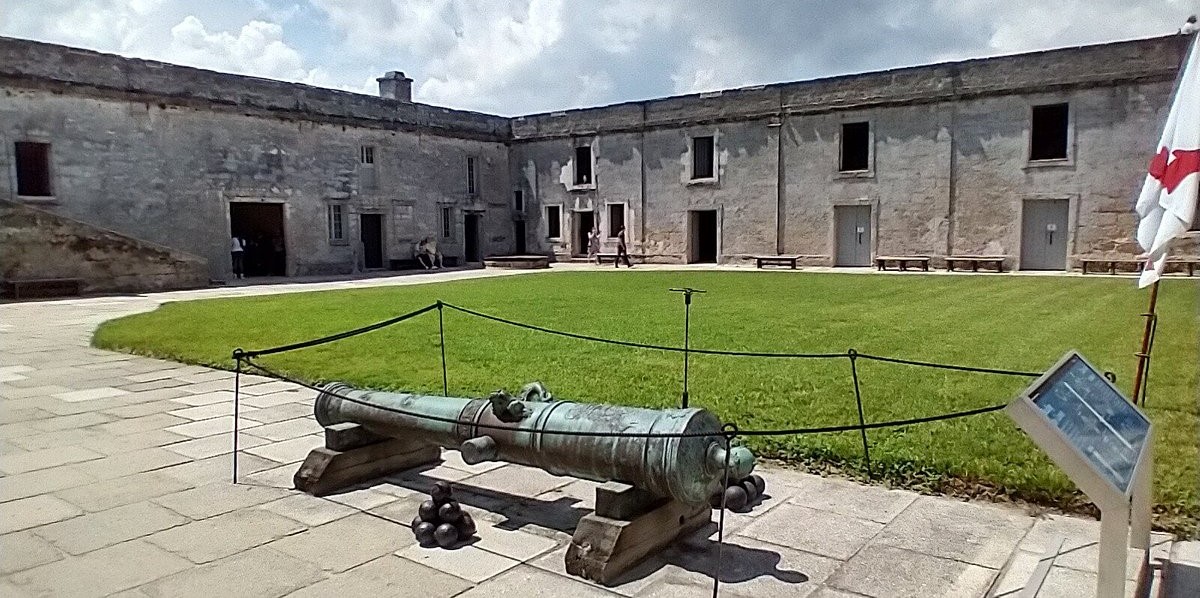
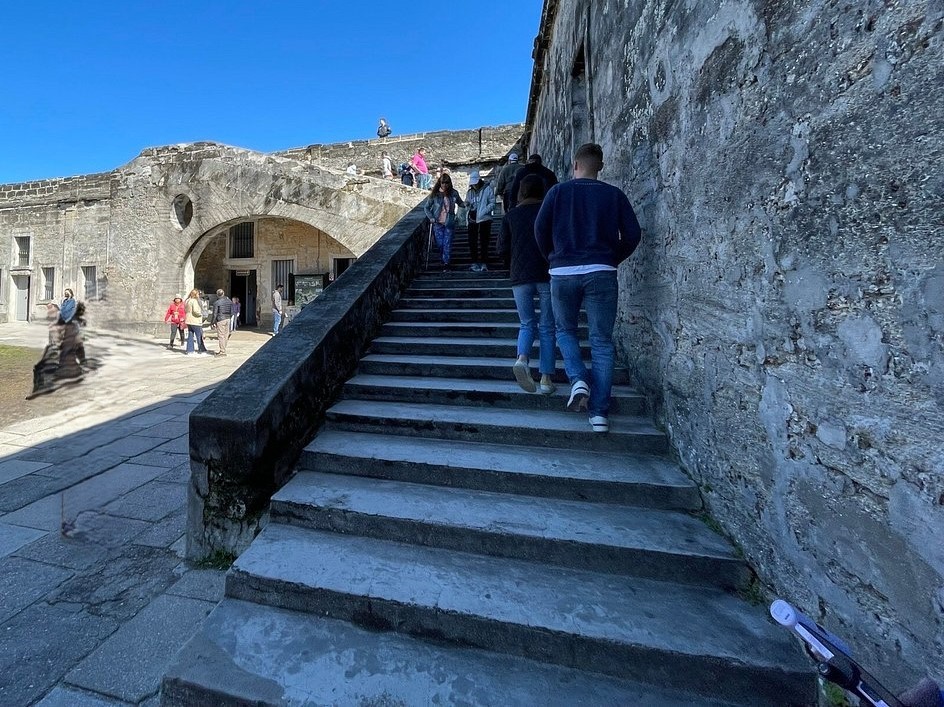
For the Disabled Traveler with limited mobility who is able to climb stairs, the stone steps leading to the top deck are wide and low. However, if you have difficulty with balance, please exercise caution since the stairs do not have handrails.
There are very few places in the United States where you can feel history this rich and deep. There are impressive pictorial historical displays outside and inside Castillo de San Marcos. It is amazing how the Castillo de San Marcos has stood the test of time for more than three centuries. The structure is an engineering marvel to stand up against the weather forces and enemy attacks. It is a wonderful historical learning experience.
Historic Weapons Demonstrations usually take place several times a day on Saturday and Sunday. Depending on the volunteers in attendance, sometimes the fire muskets, and other times they will fire cannons. Generally, the demonstrations take place on the gundeck of the fort which is only accessible by the staircase in the courtyard.
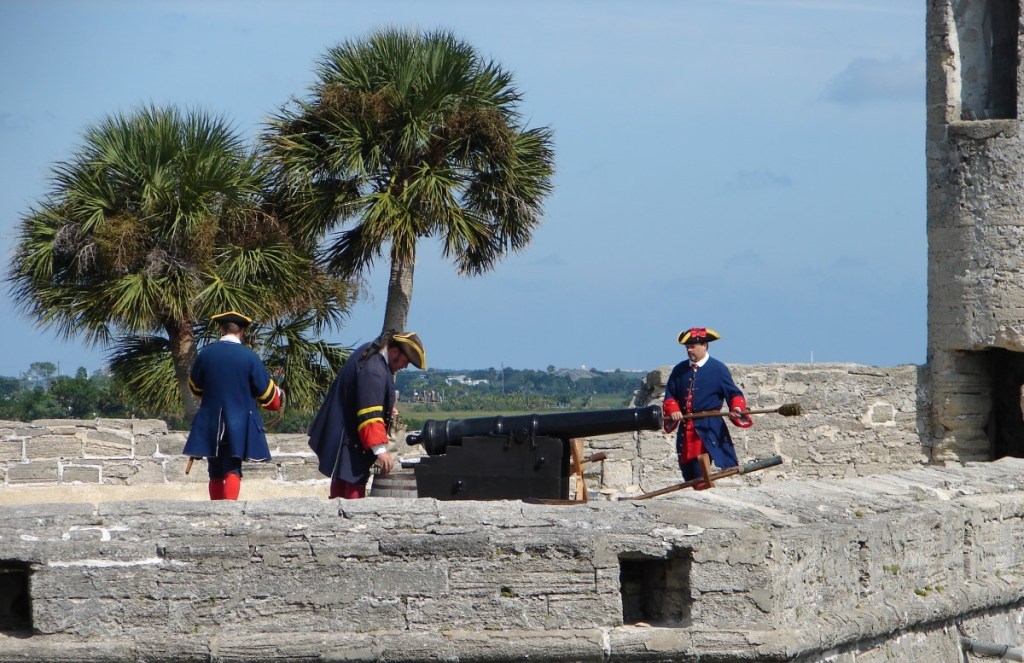
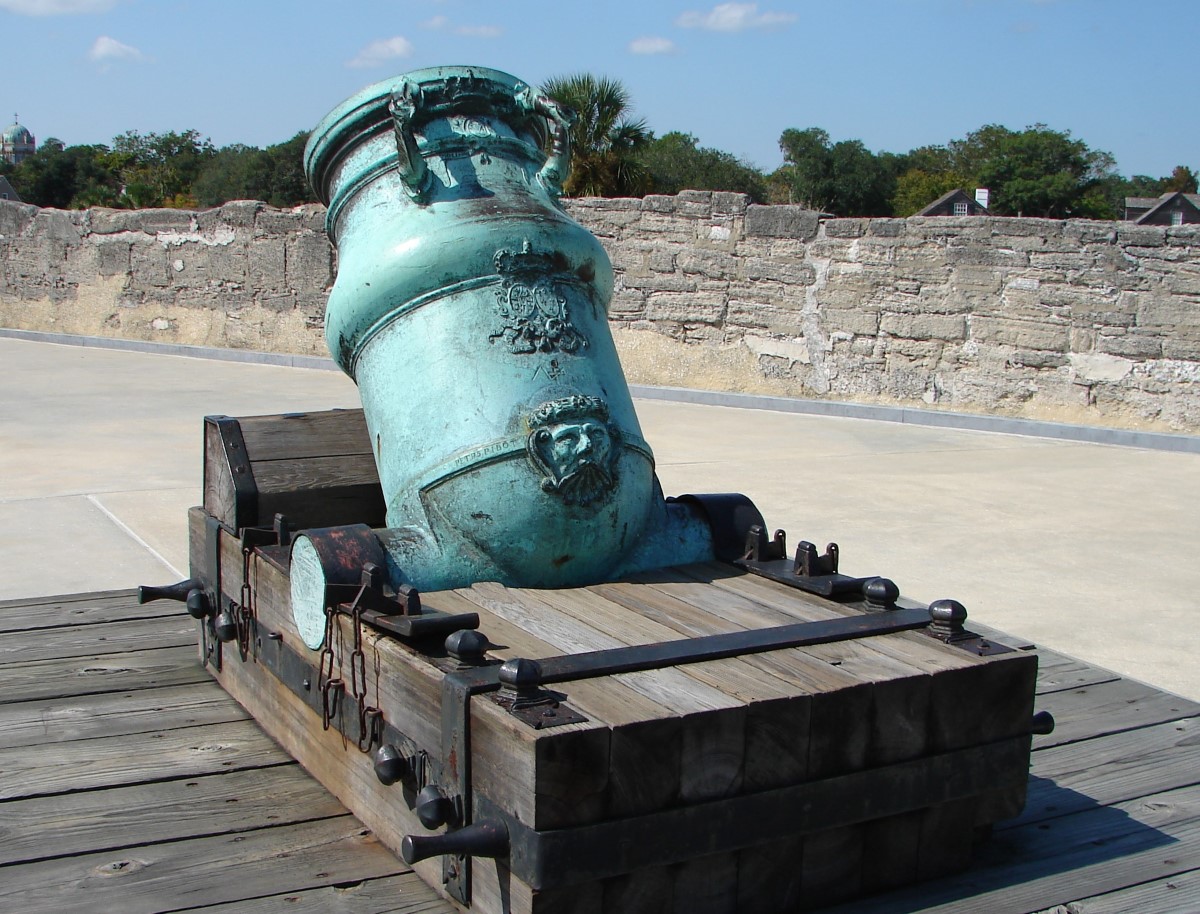
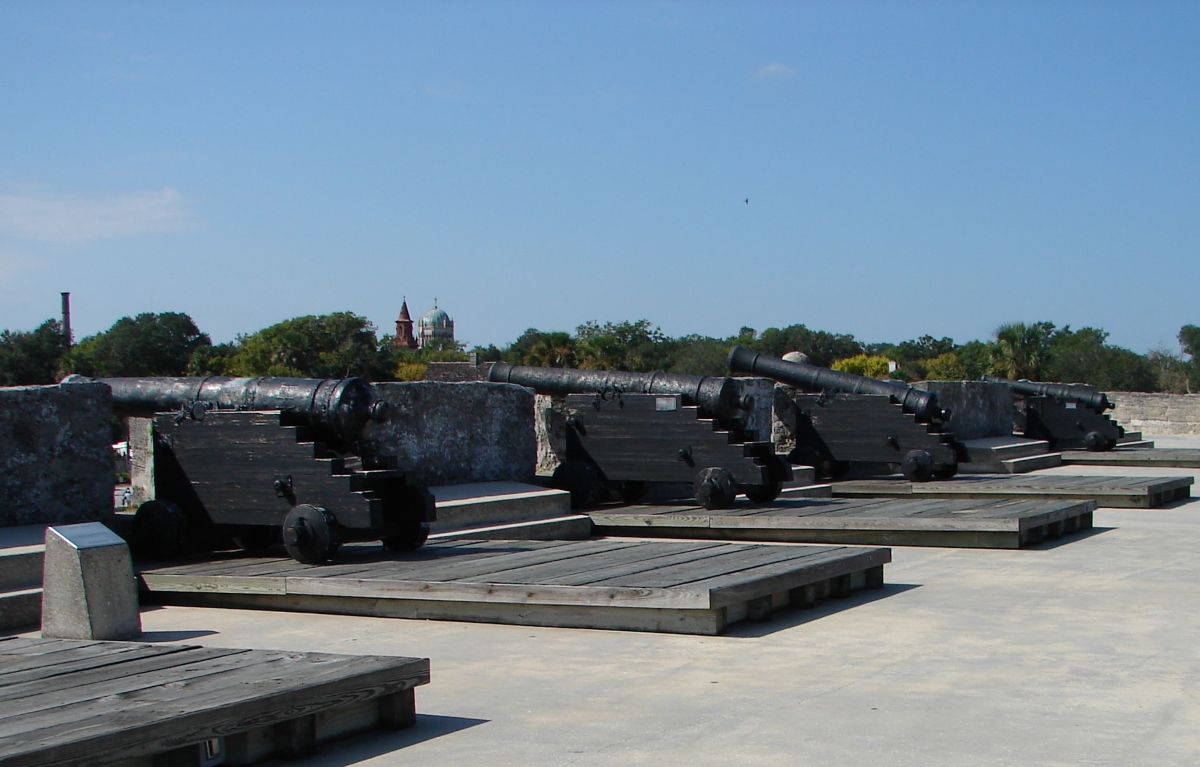
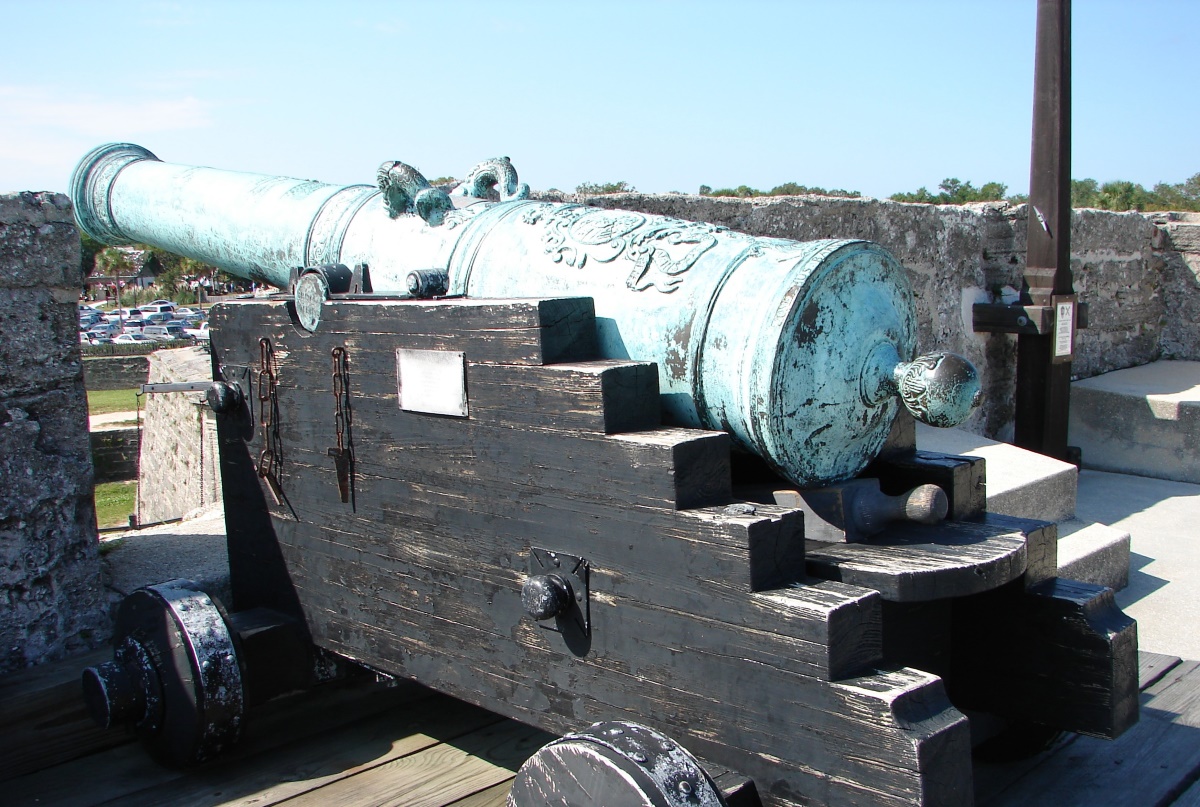
Cannons on the Gun Deck
Today, the Castillo stands as a testament to the myriad political and technological forces that spurred the race for empire in the colonial era, as well as to the lasting heritage of the engineers, artisans, and laborers whose craftsmanship and skill went into its construction. The Disabled Traveler has the opportunity to discover the fortress’s distinctive masonry, delve into exhibits, and witness re-enactors in period attire conducting demonstrations.
Directly across from the Castillo de San Marcos stands the City Gate, a landmark denoting the northern boundary of St. George Street. The City Gate is more than just two adjacent pillars; it is a symbol of historical defense. Constructed by the residents of St. Augustine in 1808 from coquina, it served as a protective barrier against invasions.
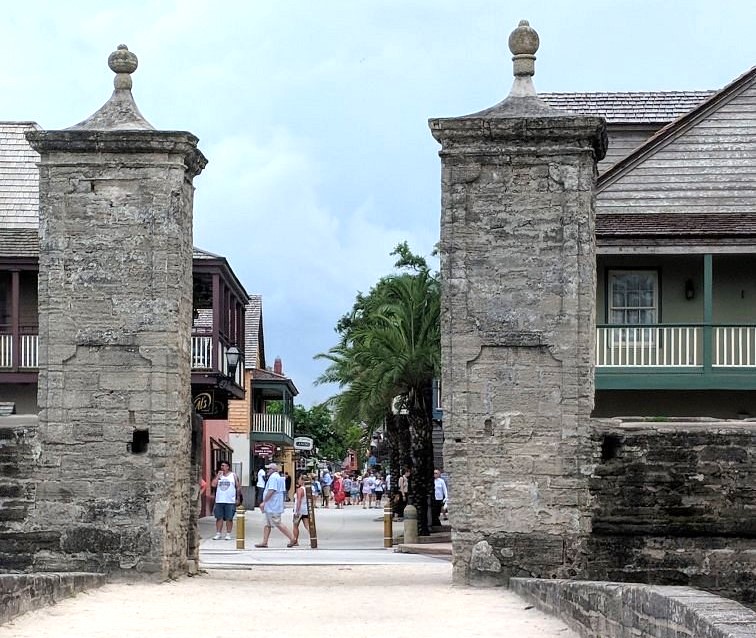
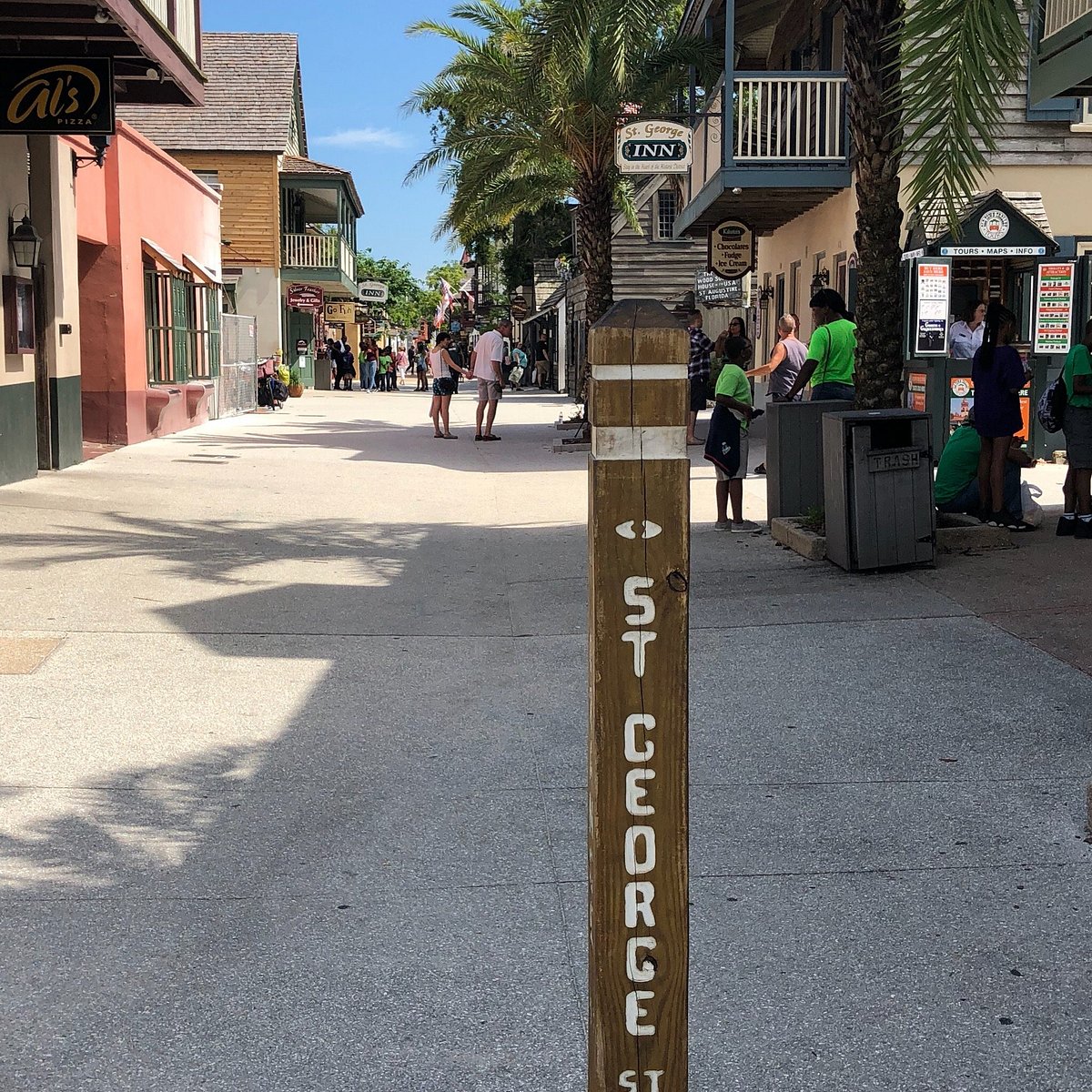
St. George Street in St. Augustine stands out as a top destination for Disabled Travelers. As the nation’s oldest city’s premier street, it offers a pedestrian-only experience free from vehicles and bicycles. Historically the city’s core, it remains a bustling center of activity. Lined with restaurants, shops, attractions, and abundant history, it’s a popular spot for both visitors and locals.
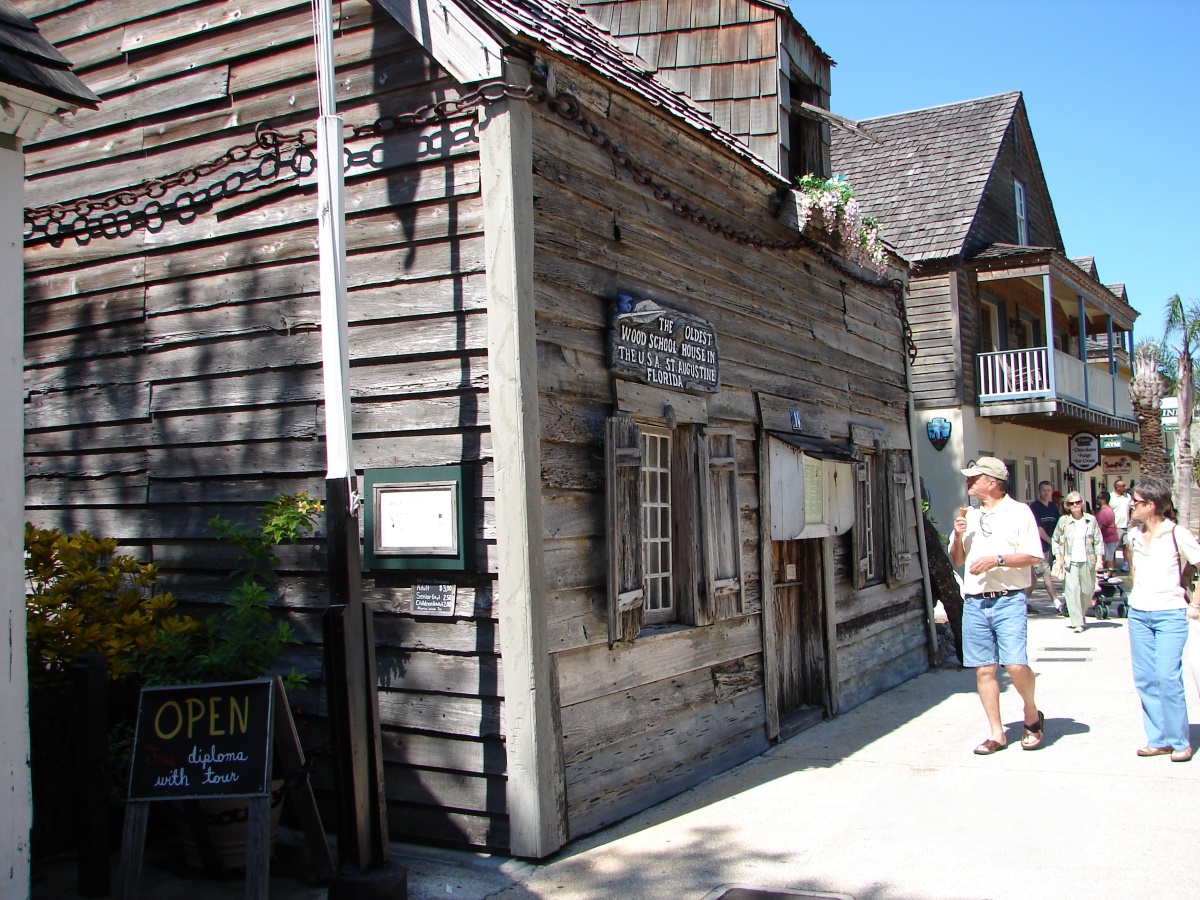
Walk through the City Gate and return to the Spanish Colonial times. From the architecture to the museums at every corner, there is plenty to see. Check out landmarks such as the Oldest Wooden School House and the Peña-Peck House, and soak in the beauty of the Cathedral Basilica — the oldest Catholic Church in the country. Just off the main strip, tour and experience the Shipwreck Museum, Colonial Quarter, Governor’s House, and the Pirate & Treasure Museum. There is something for every Disabled Traveler to enjoy on and around St. George Street.

 The Disabled Traveler