
Historic Jamestowne, Colonial Williamsburg & Yorktown Battlefield
The Historic Triangle comprises three significant colonial communities on the Virginia Peninsula in the United States, bordered by the York River to the north and the James River to the south. The triangle’s corners are marked by Jamestown, Colonial Williamsburg, and Yorktown, which boast numerous restored sites connected by the Colonial Parkway.
The first corner of the triangle is Jamestown. The site of the first permanent English settlement in the New World, was founded on May 13, 1607. Today, Jamestown boasts two primary heritage sites: the Jamestown Settlement, a living history museum featuring a reconstructed Native American village, colonial fort, and replica ships managed by the Commonwealth of Virginia; and Historic Jamestowne, a National Park Service site encompassing Jamestown Island and its active archaeological digs.
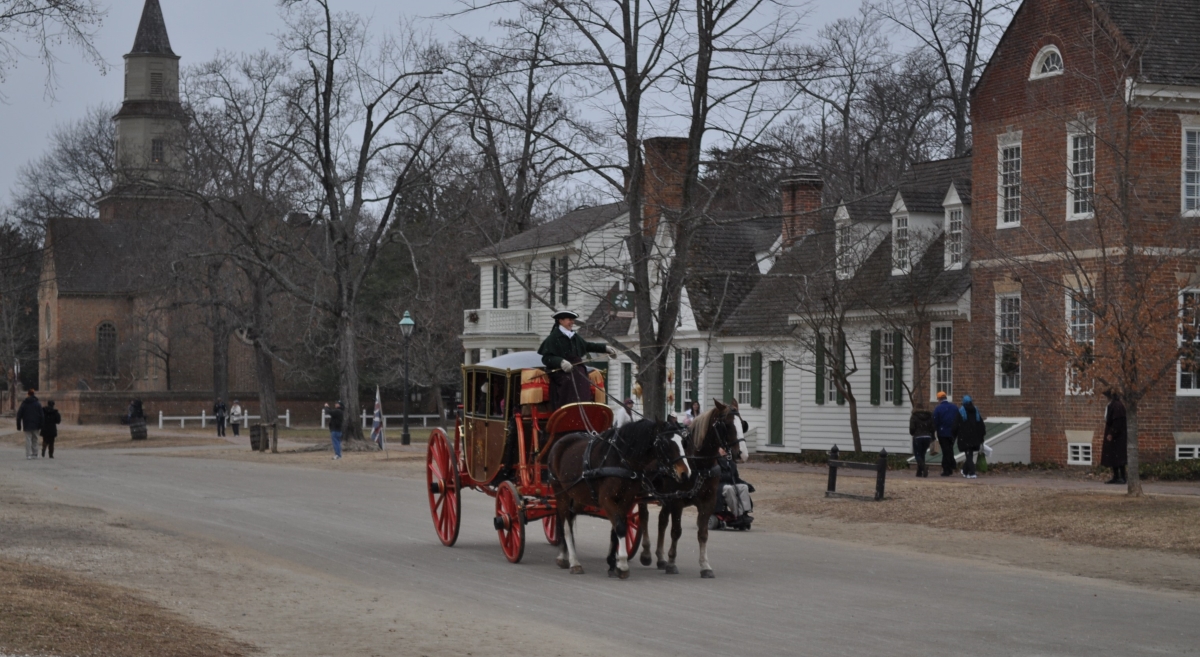
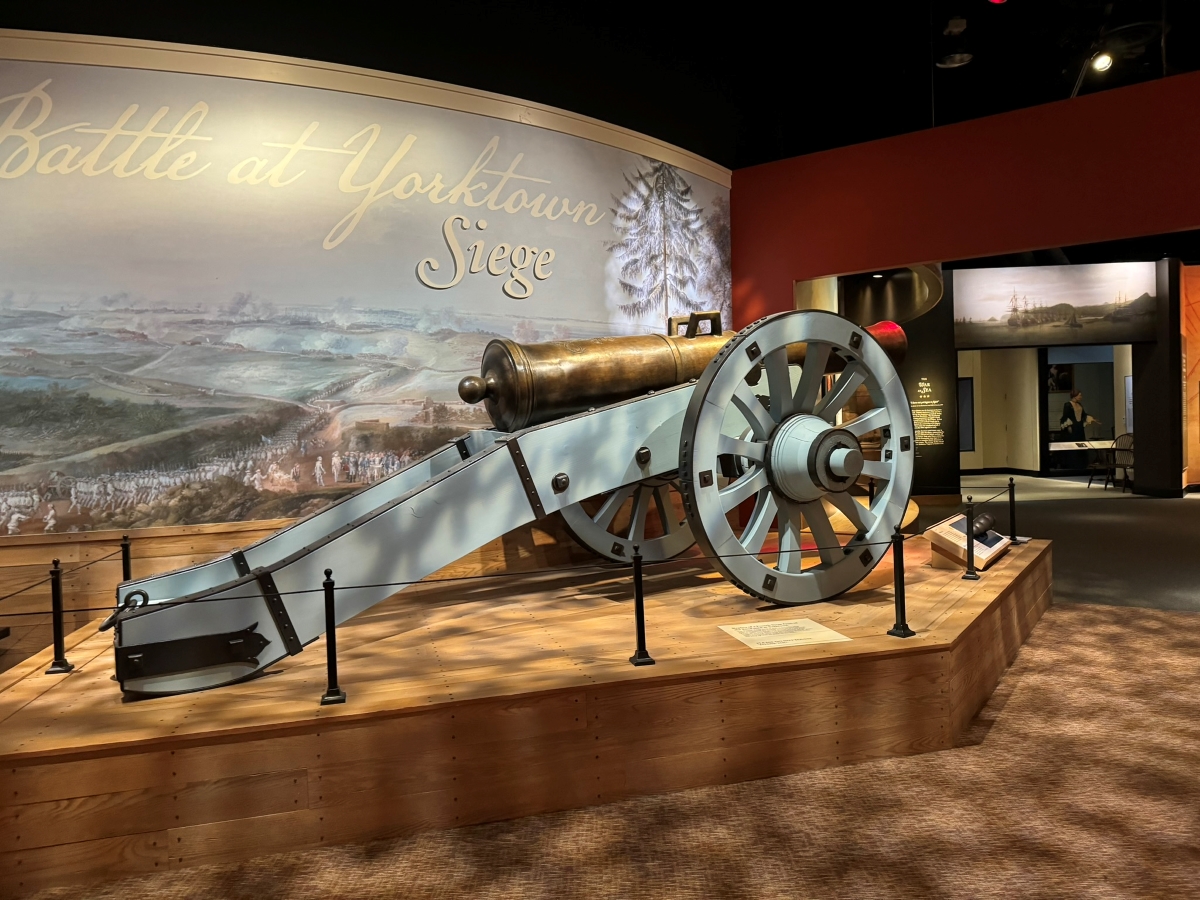

Colonial Williamsburg – American Revolution Museum – Jamestown Settlement
The second corner is Colonial Williamsburg. In 1699, Virginia’s capital was relocated from Jamestown to higher ground at Middle Plantation. Middle Plantation was quickly renamed Williamsburg in honor of King William III and remained a hub of activity until the American Revolution. In 1780, amidst the revolution, the capital and government were transferred to Richmond for greater security. Williamsburg soon became a forgotten city.
Today, thanks to preservation efforts, Colonial Williamsburg stands as a grand living museum of early American life, the culmination of extensive preservation efforts. It boasts 88 original structures, alongside numerous restored and reconstructed buildings, complete with historical re-enactors. Renowned globally, it ranks among the world’s most frequented tourist attractions. The restored area is closed to automobile traffic; however, parking is available at the Visitor’s Center, which is conveniently located off the Colonial Parkway. Additionally, a wheelchair-accessible shuttle bus service is provided for the Disabled Traveler.
Yorktown marks the third vertex of the triangle, renowned as the site where General Cornwallis surrendered to George Washington in 1781, during the final land battle of the American Revolution. Visitors can explore two expansive centers, take battlefield tours, and enjoy the waterfront. The downtown historic district is home to many buildings dating back to the pre-Revolutionary period.
Disabled Travelers visiting Jamestown should note that there are three distinct organizations, each with its own fees. The first, Jamestown Settlement, is easily spotted at the intersection of Jamestown Road and Colonial Parkway. Ideal for families, it features an impressive museum, a reconstructed English and Native American village, costumed staff for interaction, and three ships available for exploration. The second, located a few miles down Colonial Parkway on the banks of the James River, includes the remnants of the original settlement and a museum managed by the National Parks Service. This area also encompasses the town that served as the capital of the Virginia colony before it was relocated to Williamsburg. The third site is the archaeological dig and museum operated by the Jamestowne Foundation, which, while affiliated with the National Park Service, is independent and requires a separate admission fee.
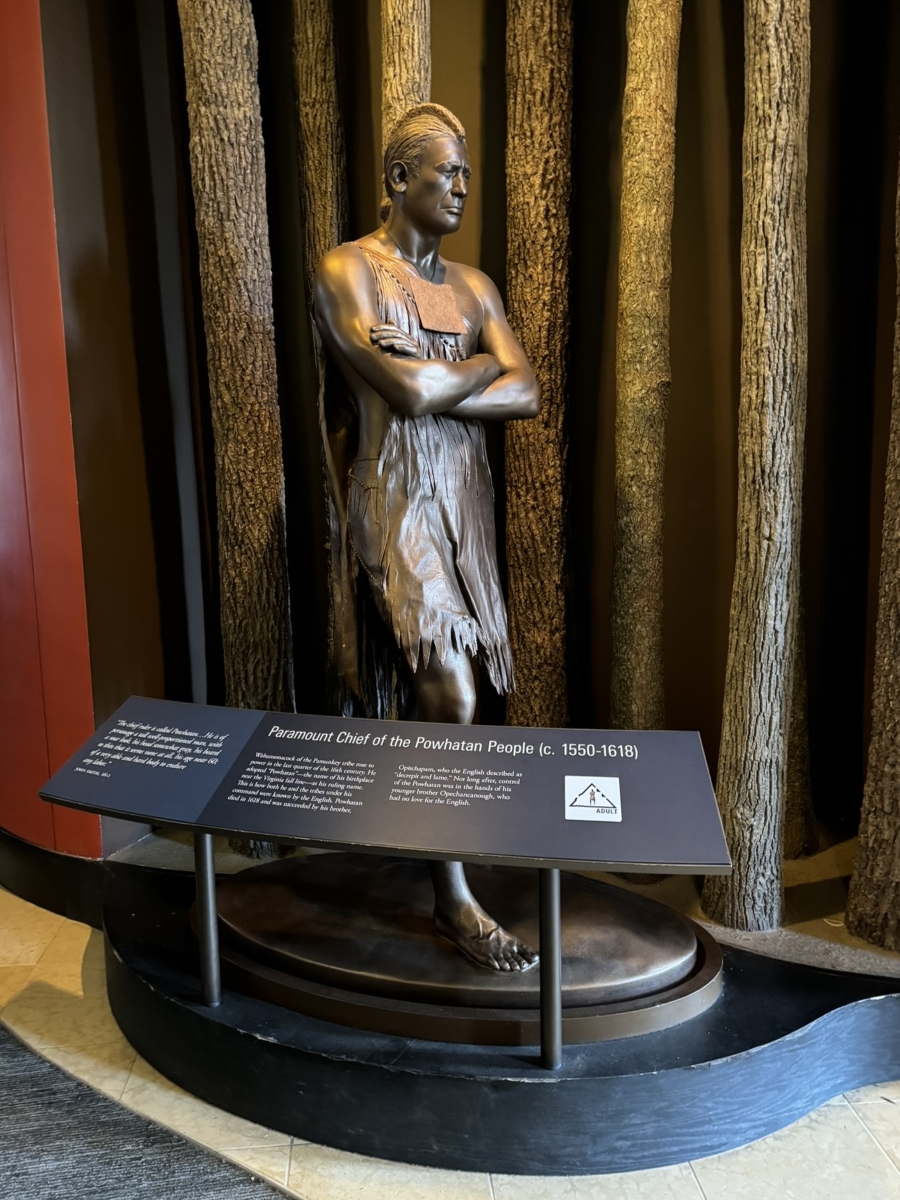

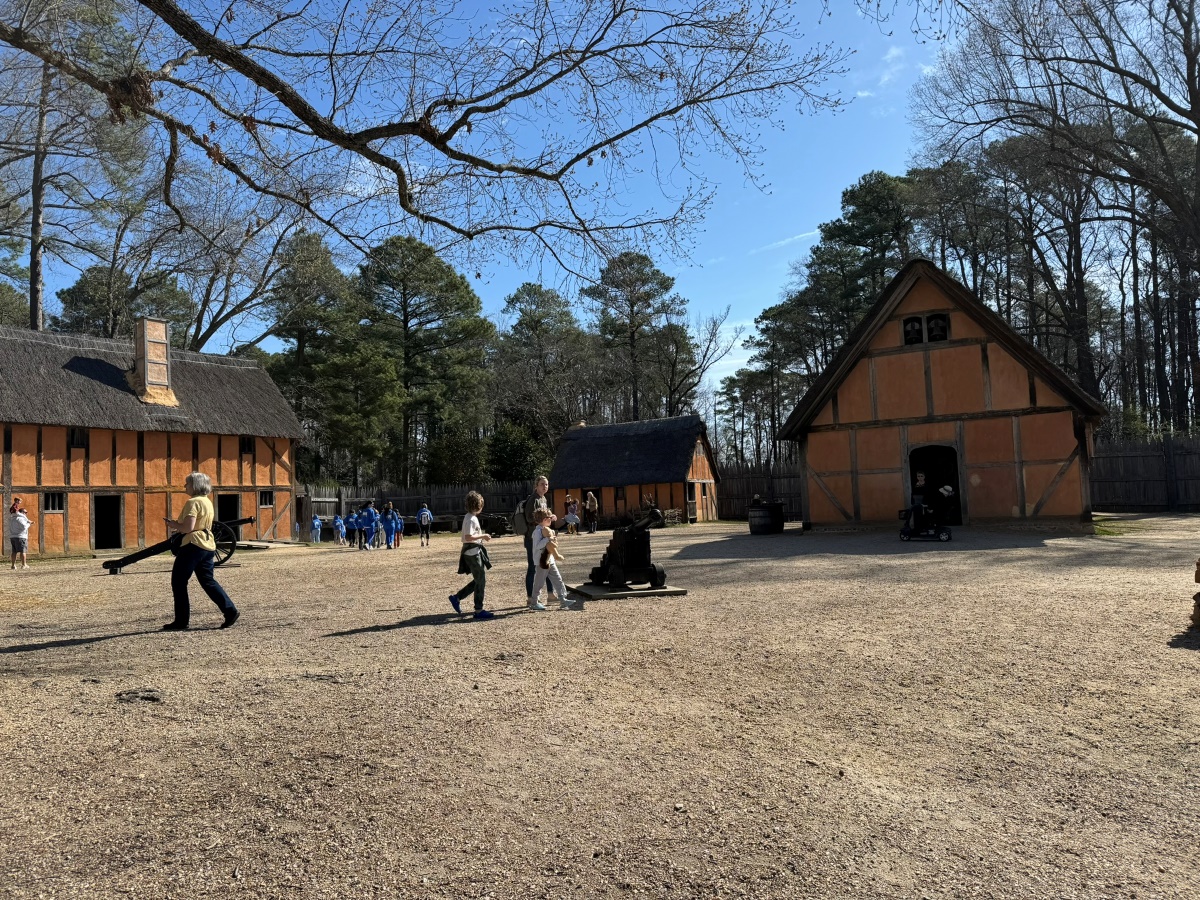

Jamestown Settlement
The Jamestown Settlement is a museum dedicated to the history and culture of 17th-century Virginia. Situated close to the original colony’s site, the museum offers a narrative of America’s early days through engaging films, gallery exhibits, and outdoor recreations. Visitors can explore the history of the Virginia Indians, who have inhabited the area for centuries, and the English colonists’ arrival in Jamestown in 1607, which led to pivotal cultural exchanges and the foundations of a new nation.
Outside, guests are invited to explore a reconstructed fort, a Powhatan village, and life-size replicas of the three ships that journeyed from England to Virginia in 1607. The small size of these ships is astonishing, and it’s remarkable to consider the courage of those who ventured across the ocean in such confined vessels.
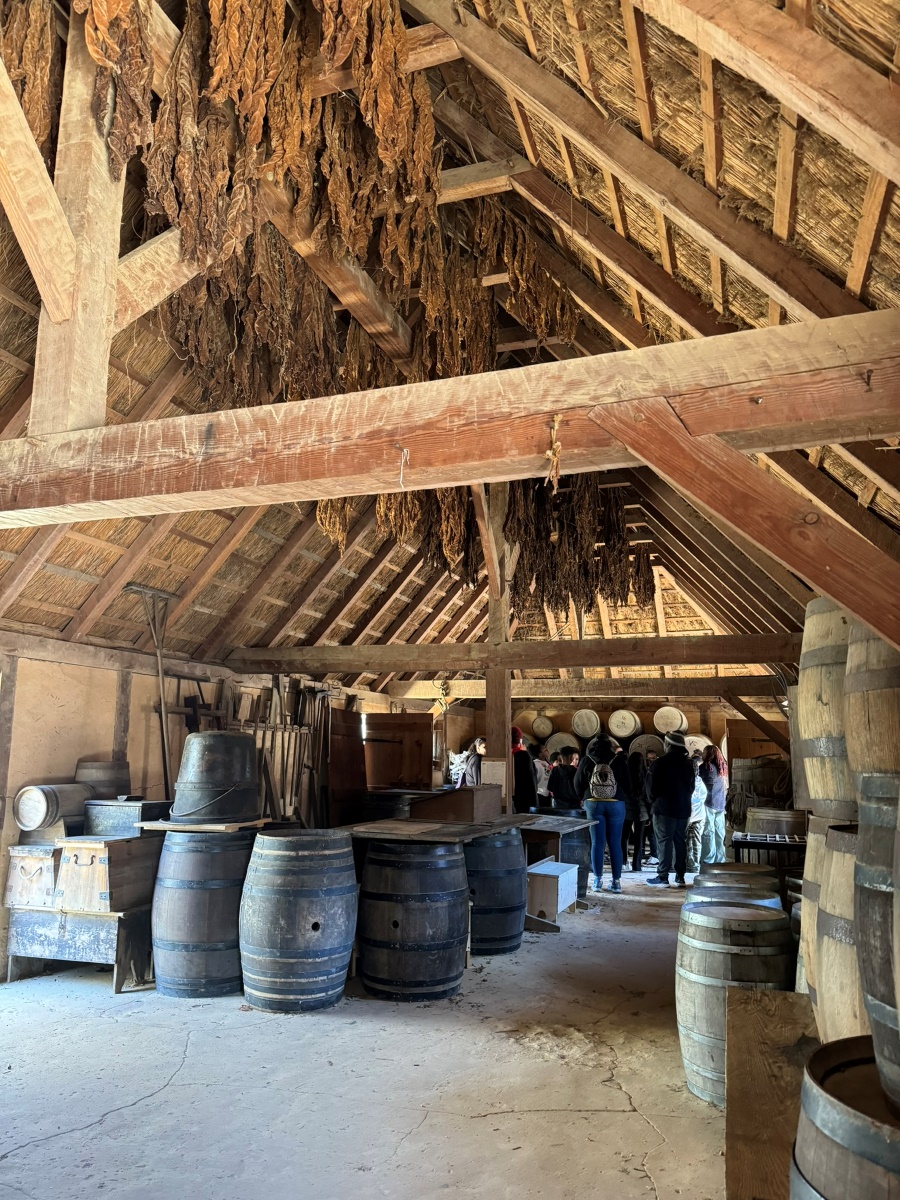
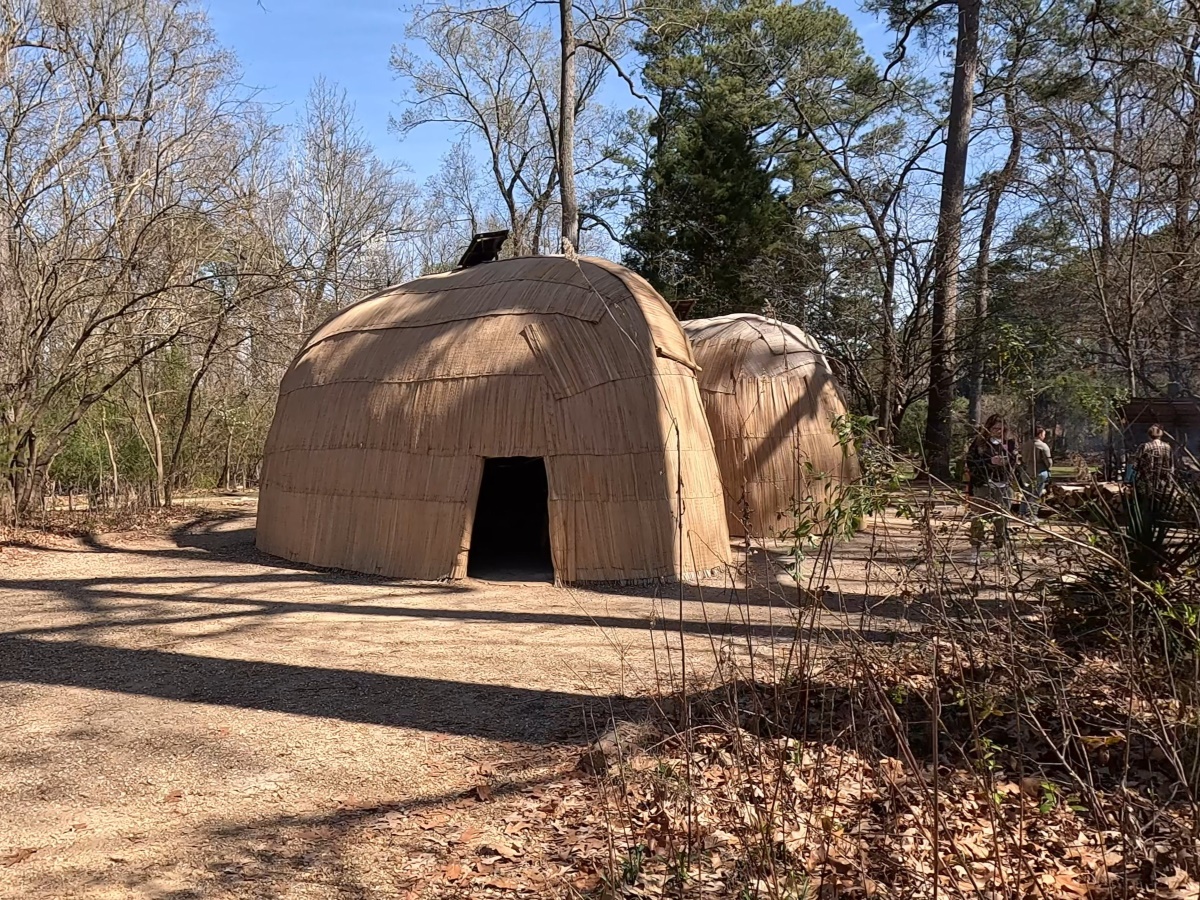
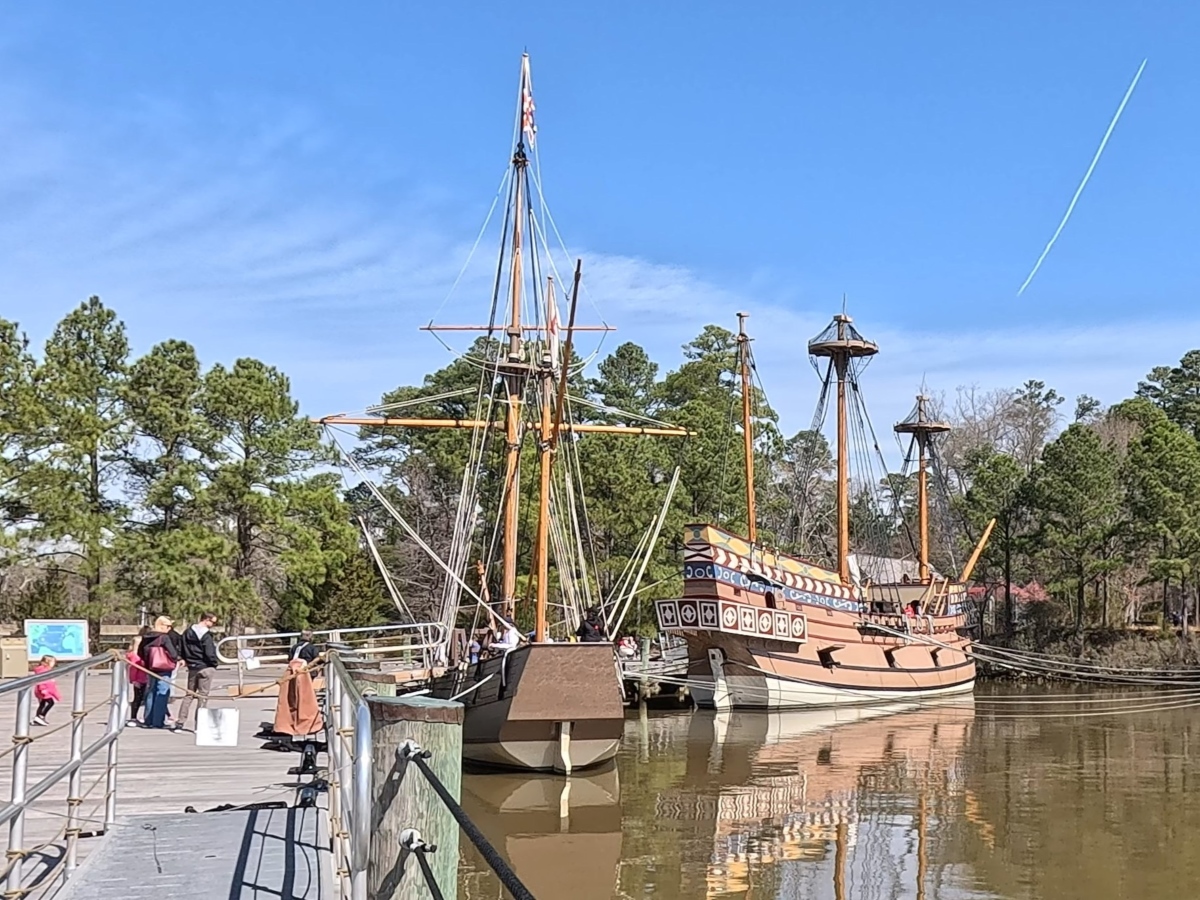
Jamestown Settlement
At Jamestown Settlement, Disabled Traveler parking is complimentary, with numerous designated accessible parking spots near the entrance. The museums are wheelchair accessible in all areas, except aboard the ships. Facilities include wheelchair-accessible restrooms, water fountains, and doors with one-touch automatic controls. The museums and outdoor areas feature brick and gravel paths, the evenness of which may vary.
For the Disabled Traveler, Historic Jamestowne offers an accessible Visitor Center featuring a small yet captivating museum. A quarter-mile walkway leads from the Visitor Center to the site and the Tercentennial Monument, which is wheelchair-friendly. However, the remainder of the park consists primarily of hard pea gravel pathways that may present challenges. The site comprises three main areas: New Town, the original 1607 settlement with a reconstructed fort, and a museum. Little remains of the original structures except for foundations, reconstructions, and a cemetery. The church, a reconstruction itself, stands over the original’s location, with excavations revealing early foundations. Statues of John Smith and Pocahontas adorn the original settlement area, where ongoing excavations offer chances to interact with archaeologists. The museum at the site’s far end is a must-see, housing artifacts, the complete skeletons of two settlers (one believed to have been killed by Native Americans), and the skull of a female settler alongside a facial reconstruction.


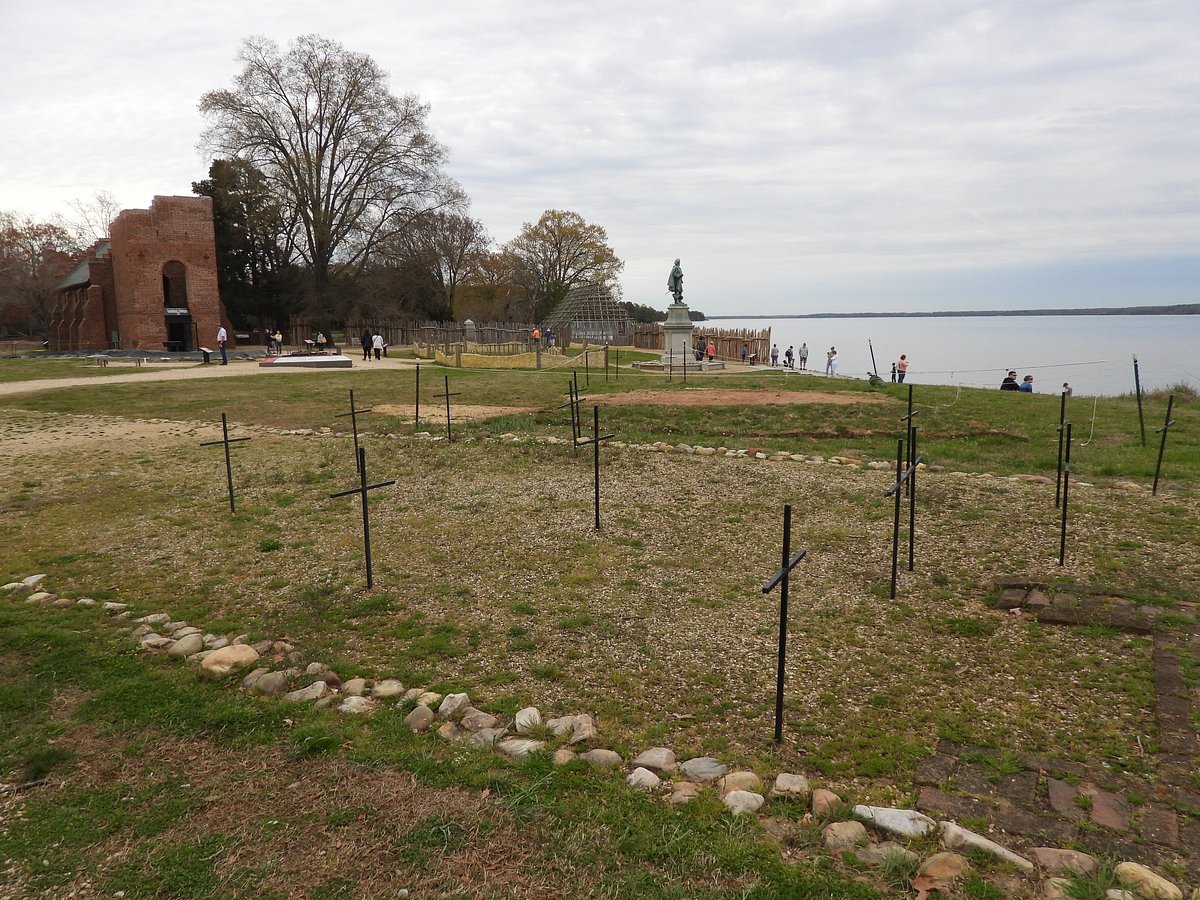
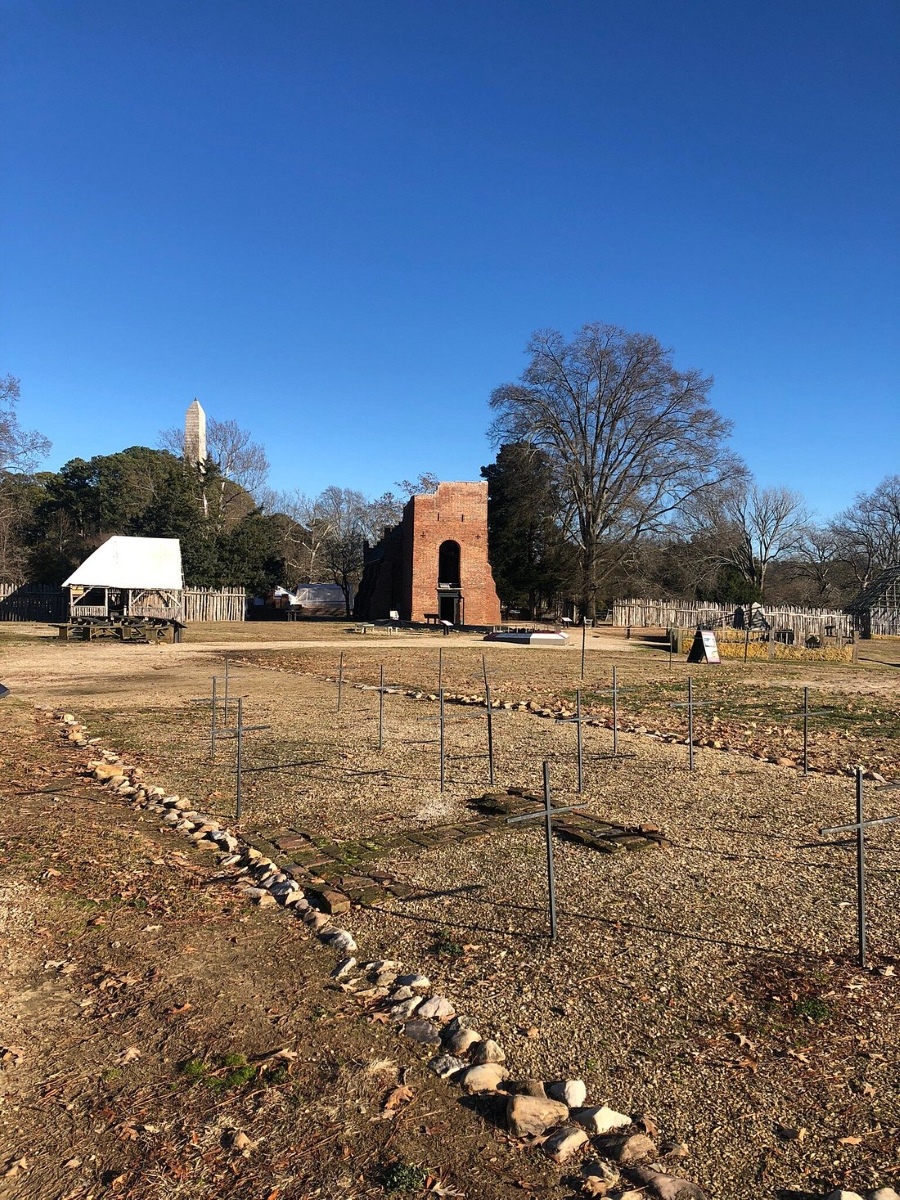
Tercentennial Monument; John Smith Statute; Pocohontas Statue; Historic Jamestowne
Colonial Williamsburg, a 301-acre living history museum, transports visitors back to colonial Virginia with immersive experiences, historical reenactments, museums, and events. Key landmarks such as the Raleigh Tavern, the Capitol, and the Governor’s Palace have been meticulously restored, allowing travelers to explore the entire historic area at no cost. However, there is a fee to visit guided sites, historic trades, and gardens, as well as staged performances on the Charlton Stage and in the Hennage Auditorium and expanded Art Museum collections. Carriage rides around the historical center are also available for a fee.
In the individual homes and workshops, the presenters are both knowledgeable and friendly, happily answering any questions you may have. Moreover, it’s captivating to observe, handle, and experience the sensory details of everyday life and labor from bygone eras.

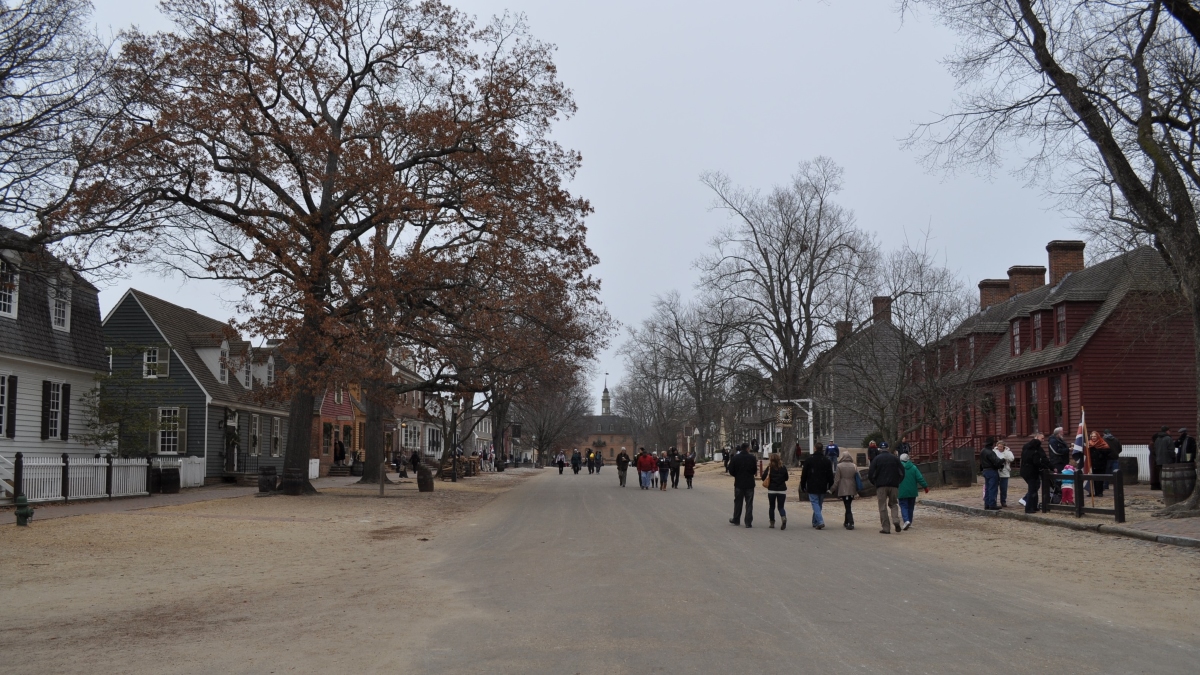
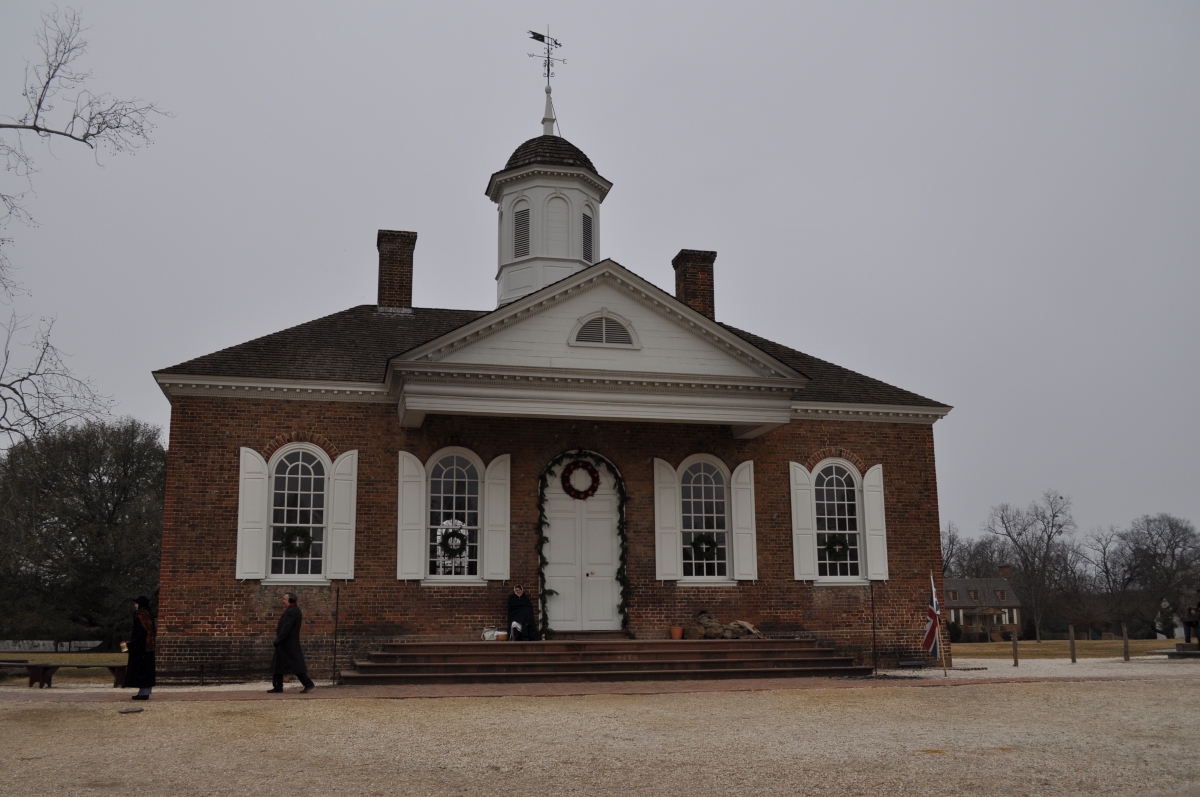
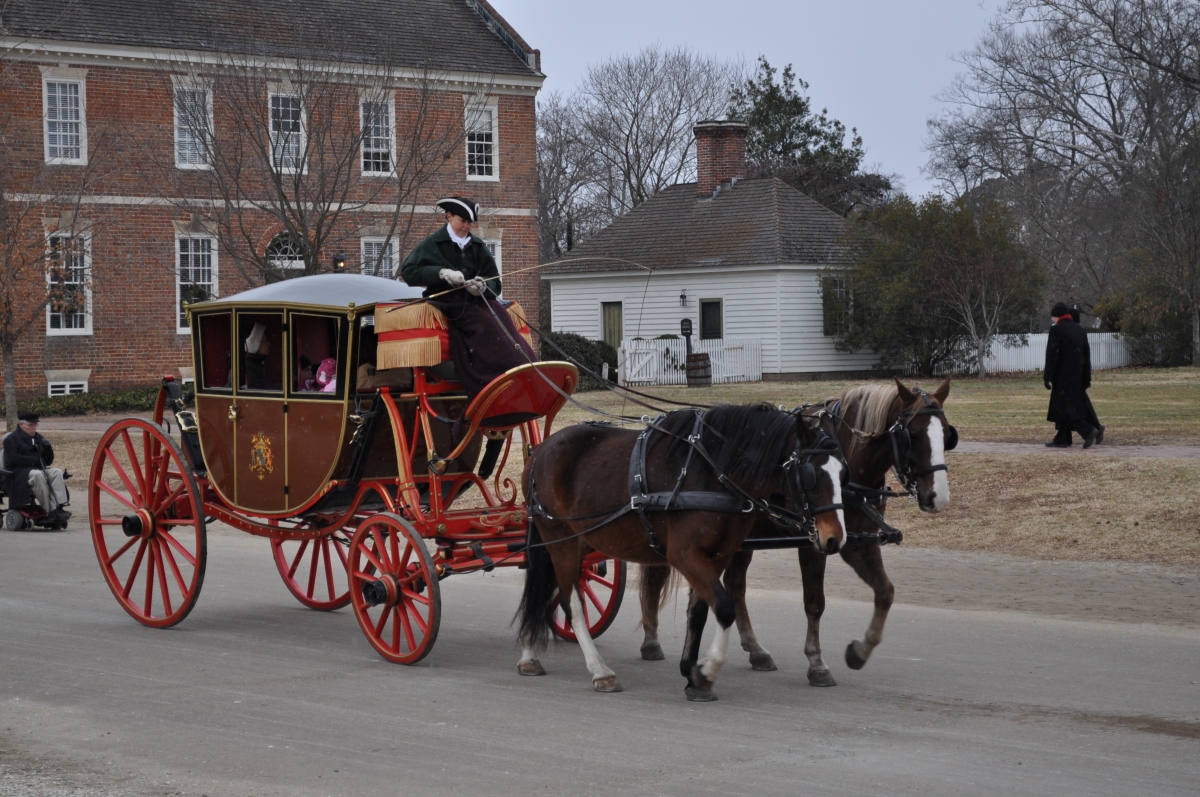

Colonial Williamsburg
Disabled Travelers with wheelchairs will find the streets, most gardens, and outdoor activities in the Historic Area accessible. Paths are of brick, marl, or gravel, and sidewalks are of brick. While ramps and wheelchair lifts are available at selected exhibitions, many of the historic buildings require at least a few steps. Please recognize that 18th-century architecture may present difficulties for the Disabled Traveler. Most buildings in the Historic Area have steps, but most interior doorways are wide enough to accommodate a wheelchair. Many of the exhibition buildings have second floors and stairs are often steep and narrow. Interpreters in the Historic Area will be glad to provide directions to accessible areas. When visiting a trade shop not accessible to wheelchairs, please request assistance from the interpreter. Historic trade interpretations can often be done outside the shops at the guest’s request. Service animals are permitted in all buildings. Wheelchair-accessible restrooms are located throughout the Historic Area and Colonial Williamsburg properties.
The Colonial Williamsburg Accessibility Guide is an essential resource for the Disabled Traveler visiting the area. It provides a detailed listing of each property, indicating whether the building is equipped with a ramp, lift, is at ground level, or specifies the number of steps required to enter. Although parking around Colonial Williamsburg is limited, it is adequate. Ideally, visitors should park at the Visitor Center and use the trams, which accommodate wheelchairs well and have a gentle incline. Access to most historic buildings is typically at the rear, so watch for small blue handicap signs for entry points. Be aware that sidewalks are uneven due to brickwork, but the center of the roads is smoother. Near the Capitol, there are hilly areas and gravel paths, while the rest of the colonial section features paved surfaces.

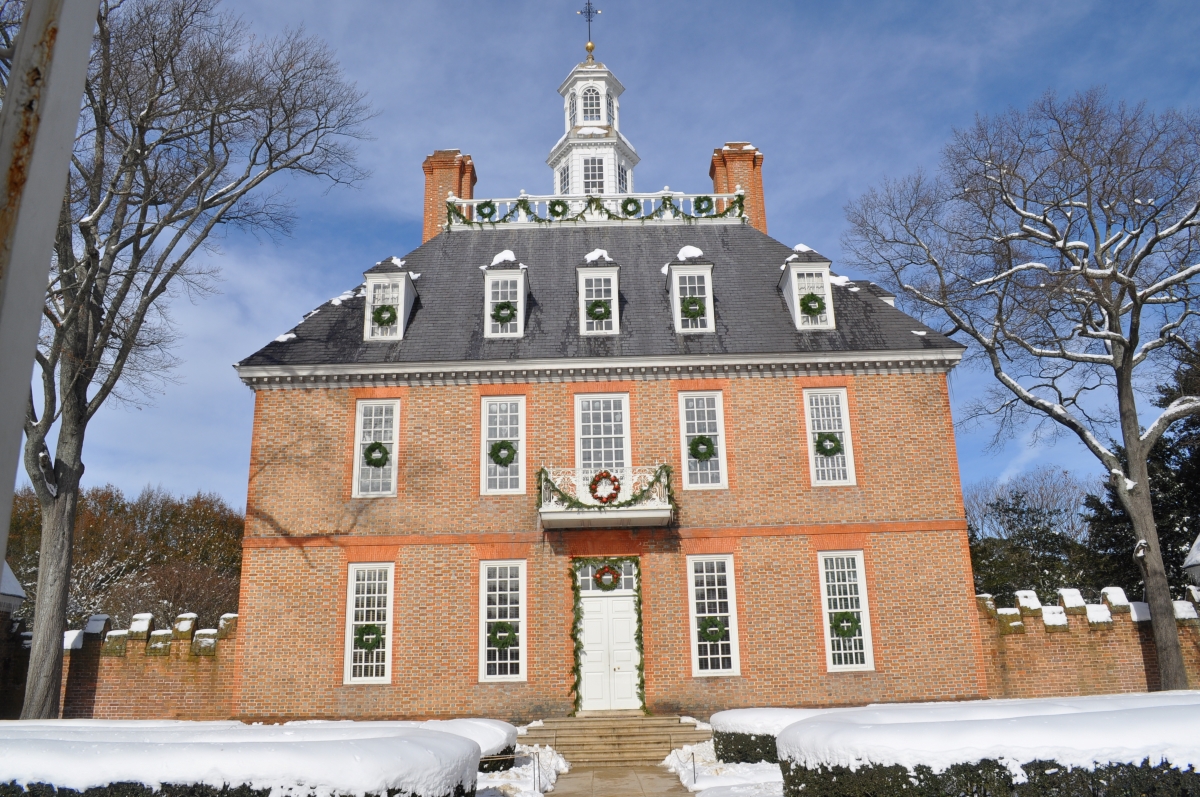


Colonial Williamsburg
For the Disabled Traveler, Yorktown serves as the third vertex of America’s Historic Triangle. It’s a must to explore the American Revolution Museum at Yorktown, where you can delve into the story of the nation’s inception, spanning from the colonial period’s end to the Constitution’s birth and more. Discover period artifacts, engaging environments, and films enhanced by a 180-degree surround screen and dynamic special effects. Outside, in the living-history areas, visitors can gain insights into the everyday life of soldiers at a reconstructed Continental Army encampment and experience a Revolution-era farm modeled after an actual 18th-century family homestead.
The museum is a state-of-the-art facility, exquisitely curated with vibrant displays, engaging short films, excellent lighting, and sound effects. It is staffed by knowledgeable volunteers who provide valuable information. A 180-degree film presentation vividly details the battles of Chesapeake and Yorktown, along with extensive historical context. The museum spans the years 1763 to 1789 and offers an abundance of information.


American Revolution Museum
The outdoor living history museum features a section known as the Continental Army Encampment. This area is a recreation of what a colonial troops’ camp might have looked like. It includes a camp kitchen where a costumed “cook” shares insights into the setup of the kitchen and the logistics of feeding the troops daily. Visitors can see samples of the food that would have been served. Additionally, there is a soldier who performs a musket firing demonstration.
Just past the encampment lies a farm from the era of the Revolution, offering a glimpse into the life of an 18th-century family. Hens roam around the farmhouse, which features two rooms on the first floor—a hall and a parlor—and a second floor dedicated to storage and sleeping quarters. In the nearby log kitchen, the Disabled Traveler can discover period cuisine and observe the adjacent kitchen garden. Historical interpreters demonstrate cooking over an open hearth and explain the methods of harvesting and preserving vegetables and herbs for later use.

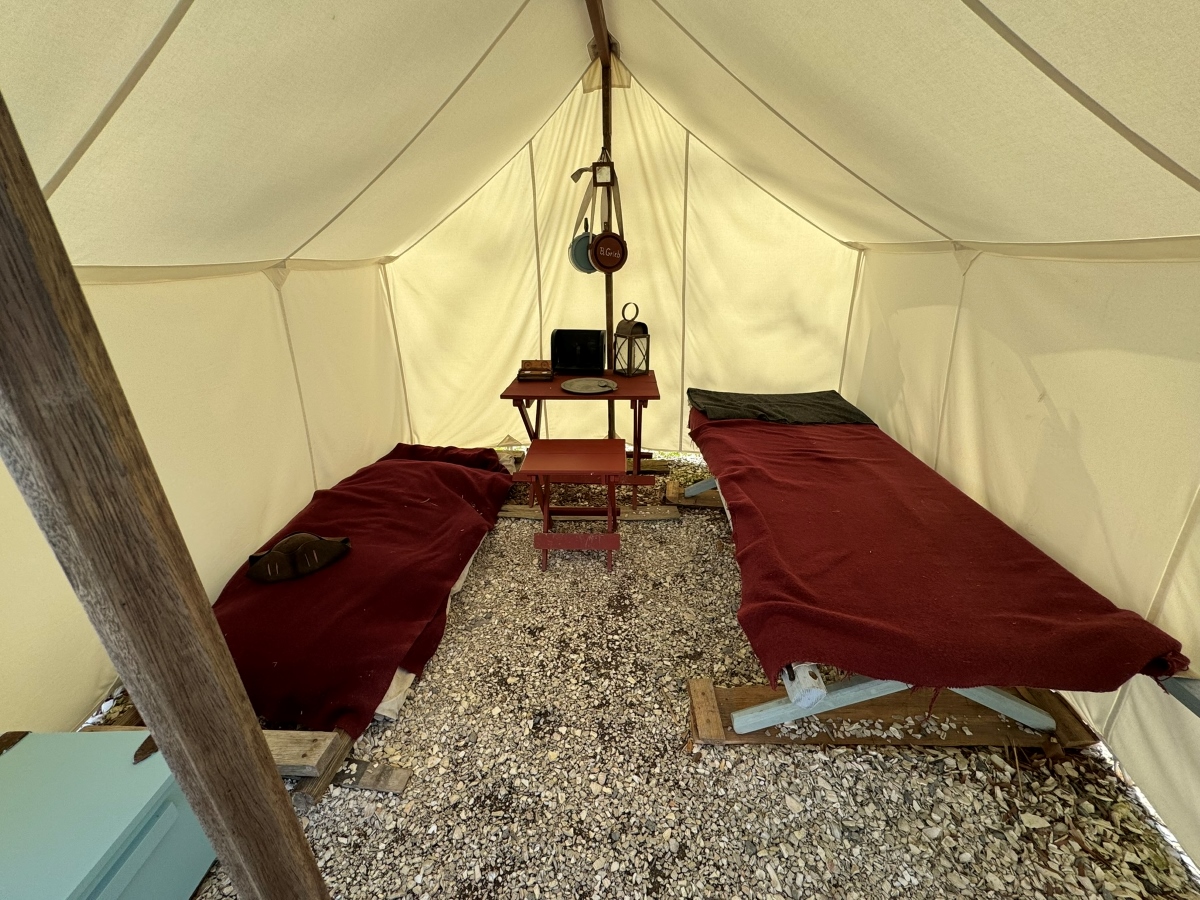

American Revolution Museum

The Disabled Traveler can comfortably spend half a day exploring this remarkable museum, with its recreated camps, cooking pits, musket and artillery demonstrations, costumed characters, and chickens. For a Disabled Traveler using a wheelchair, the well-compacted gravel makes navigation easy. However, there is a slight incline near the area where the musket demonstrations take place.
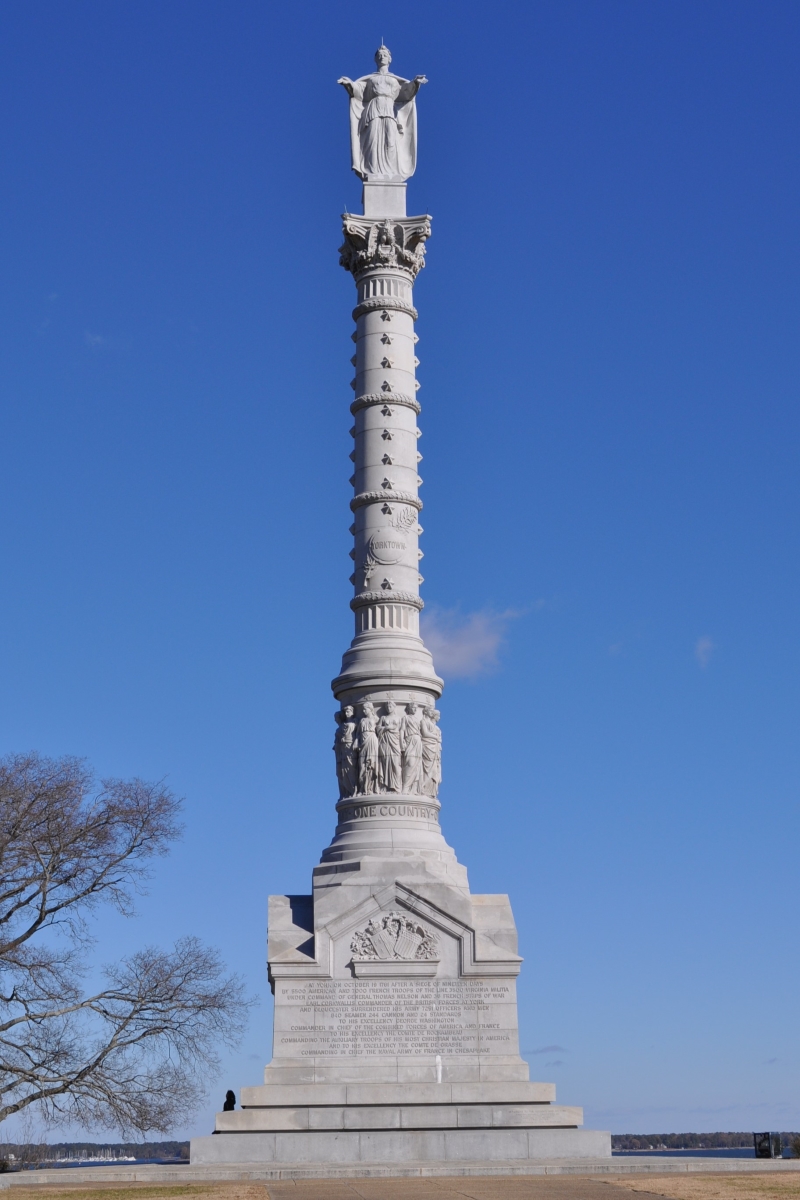
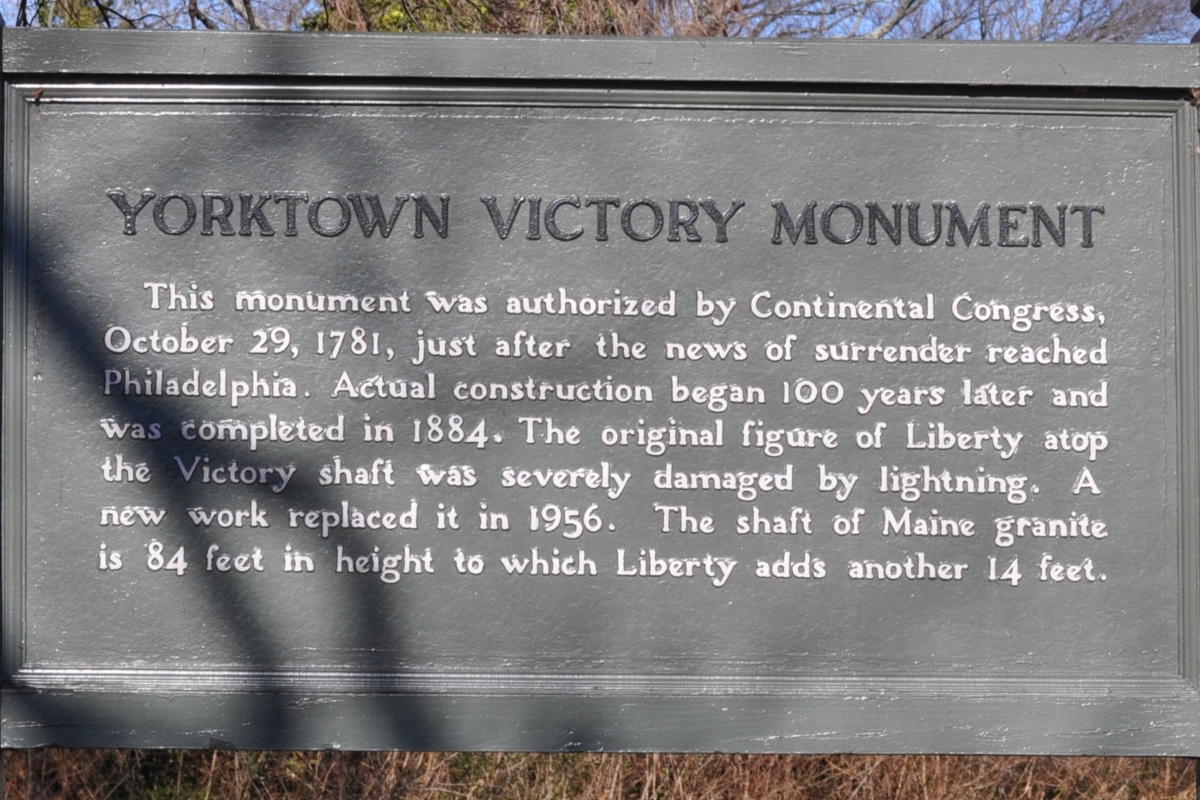
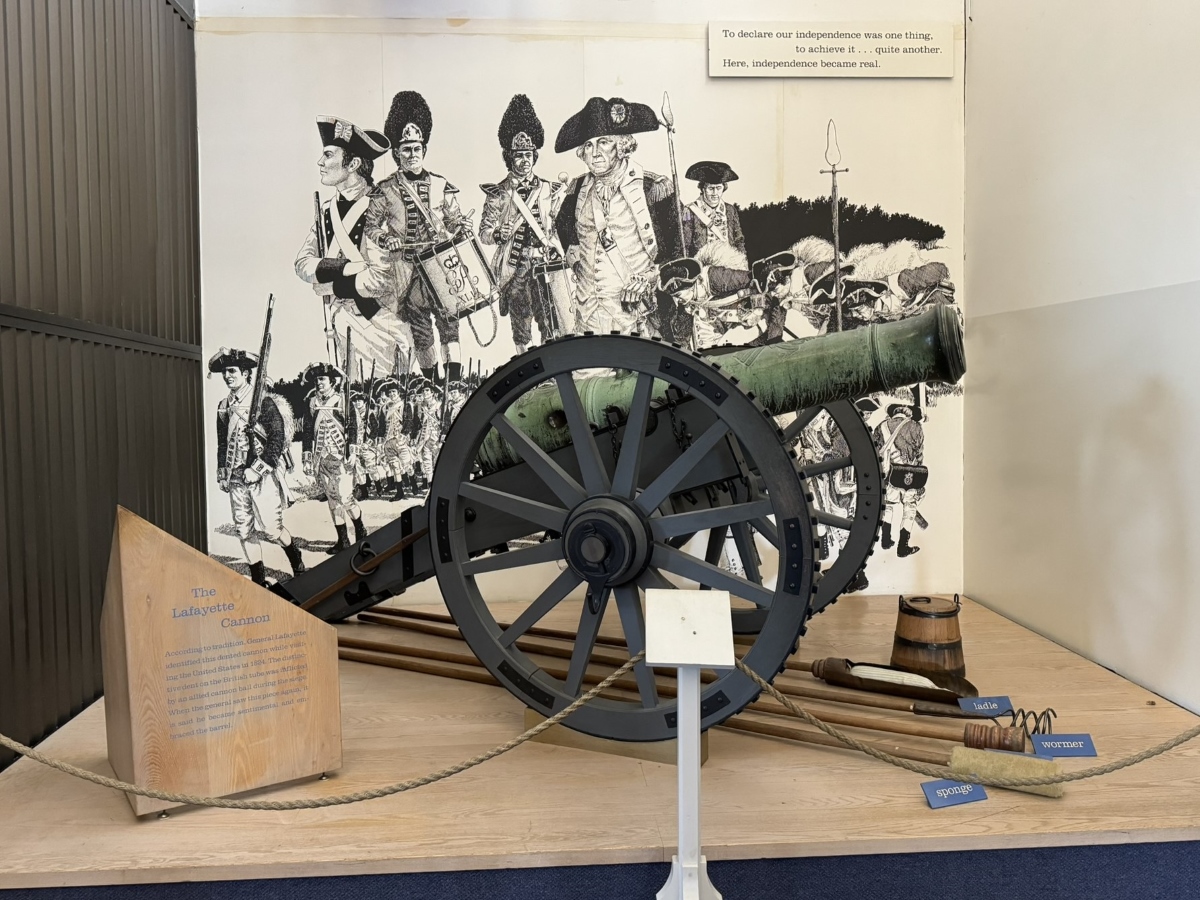
Yorktown Battlefield
Visit the Yorktown Battlefield, the pivotal site where American independence was secured. On October 19, 1781, British troops commanded by Lord Charles Cornwallis capitulated to the allied American and French forces under General George Washington. The Visitor Center offers an orientation film accessible to Disabled Travelers. Guests can explore museum exhibits, such as General Washington’s field tents used during the battle. A drive through the battlefield reveals various fortifications and cannons, the Moore House where surrender negotiations took place, Surrender Field, and other historic locations.
The Yorktown Battlefield is surprisingly expansive. Visitors have the option to walk or cycle throughout the area, but driving is likely the most convenient for Disabled Travelers. Numerous signs dot the route, marking historical encampments, a field hospital, and more. Additionally, there’s a downloadable app that provides further details about various sites. As a driving tour, it accommodates visitors with varying mobility levels.

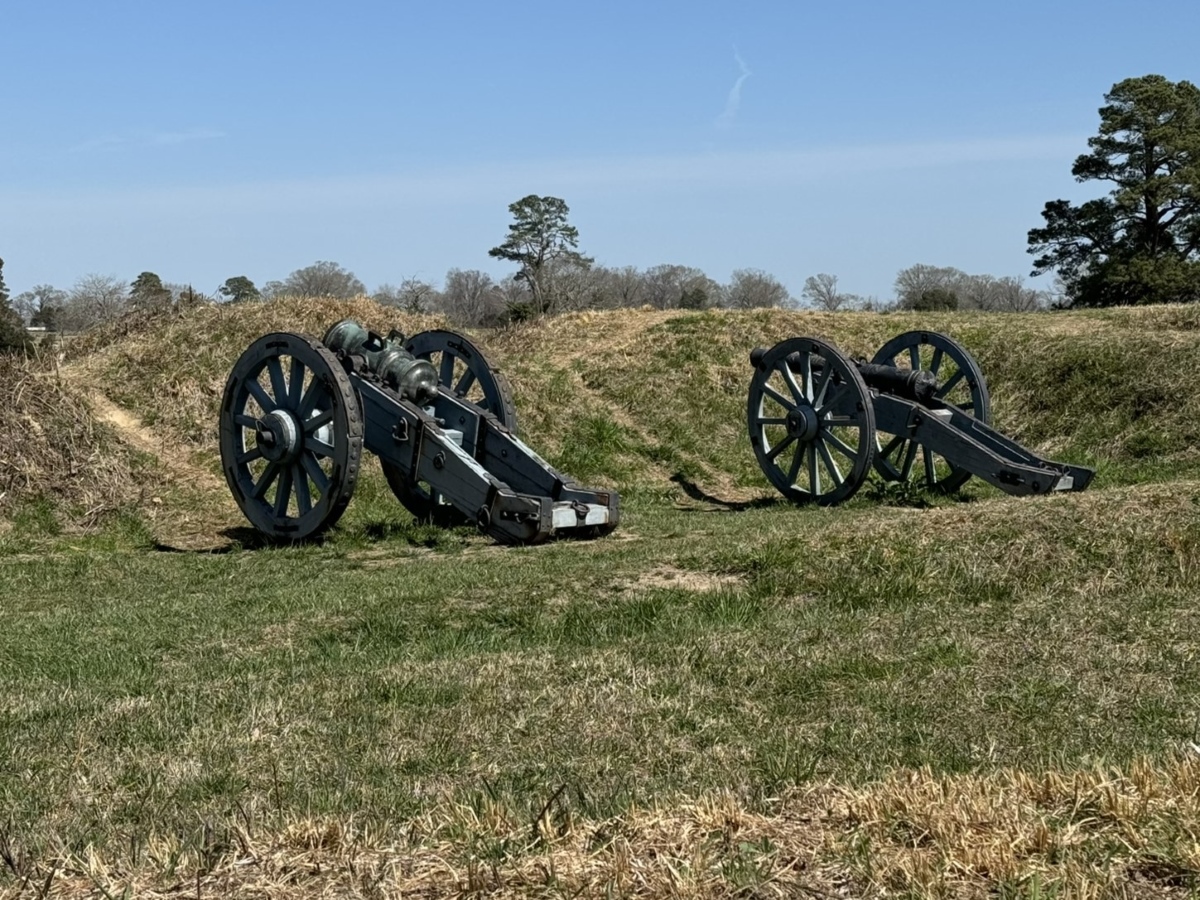
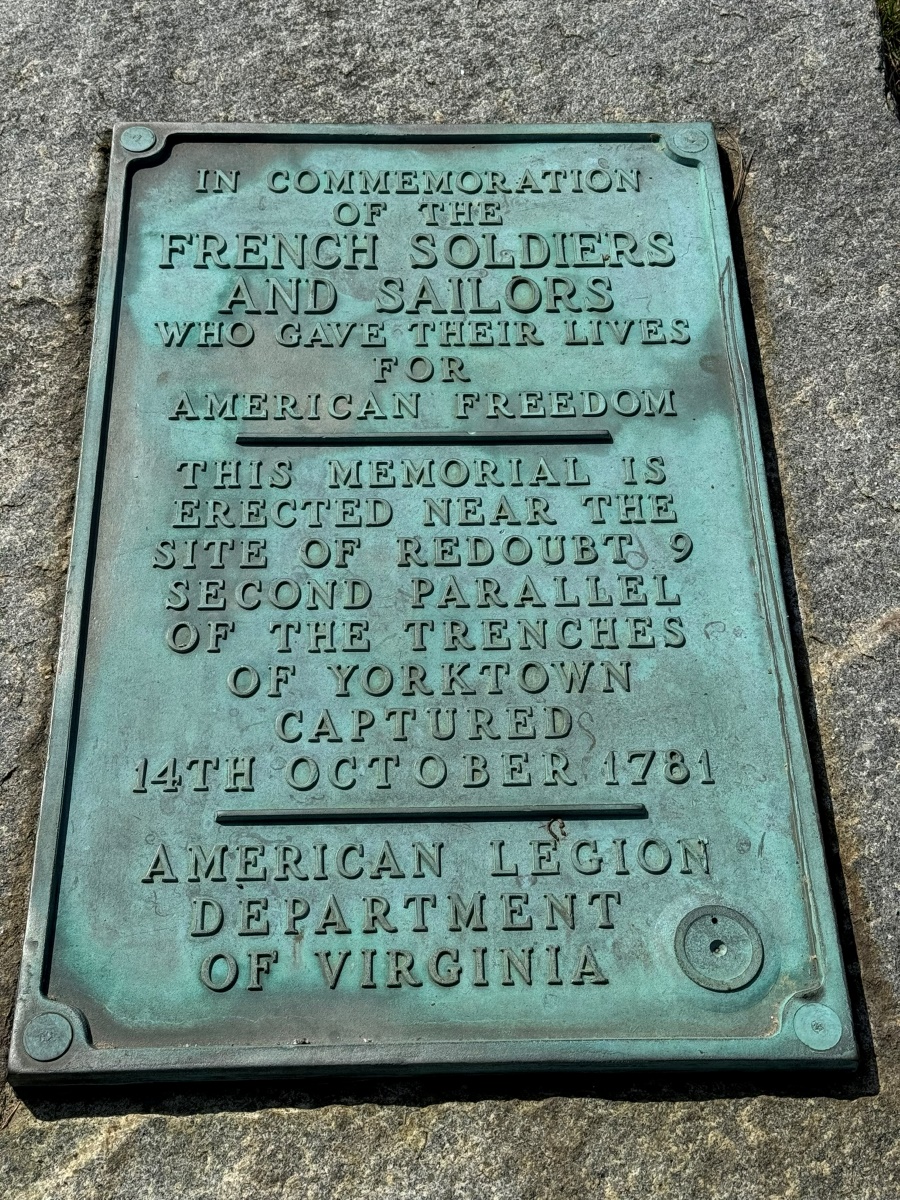


Yorktown Battlefield
After you have finished visiting all the historic areas in America’s Historic Triangle, it is suggested that you visit Riverwalk Landing in Yorktown. Yorktown is a beautiful, quaint town along the harbor which has well-manicured gardens and interesting shops. A paved path along the river makes it accessible for all – strollers and wheelchairs. The view is never boring, and, on some days, you may find a small band playing along the way. The shops are a nice variety, including a charming coffee shop where you can savor freshly brewed coffee while taking in the scenic beauty of the river. Additionally, there are several restaurants offering a diverse range of cuisines to suit every palate. For book lovers, there is a delightful book shop with an inviting atmosphere where you can browse through a wide selection of titles. If you’re in the mood for a sweet treat, there’s an enticing ice cream shop offering a myriad of flavors. Moreover, the gift shops are filled with unique treasures, perfect for finding a special memento of your visit. There is even a section that leads down to the beach and boardwalk, providing a serene backdrop for leisurely strolls. It’s really clean and a section of the beach is wheelchair accessible for the Disabled Traveler. The blend of picturesque surroundings, engaging activities, and accessibility features makes Riverwalk Landing a delightful destination for visitors of all interests and abilities.


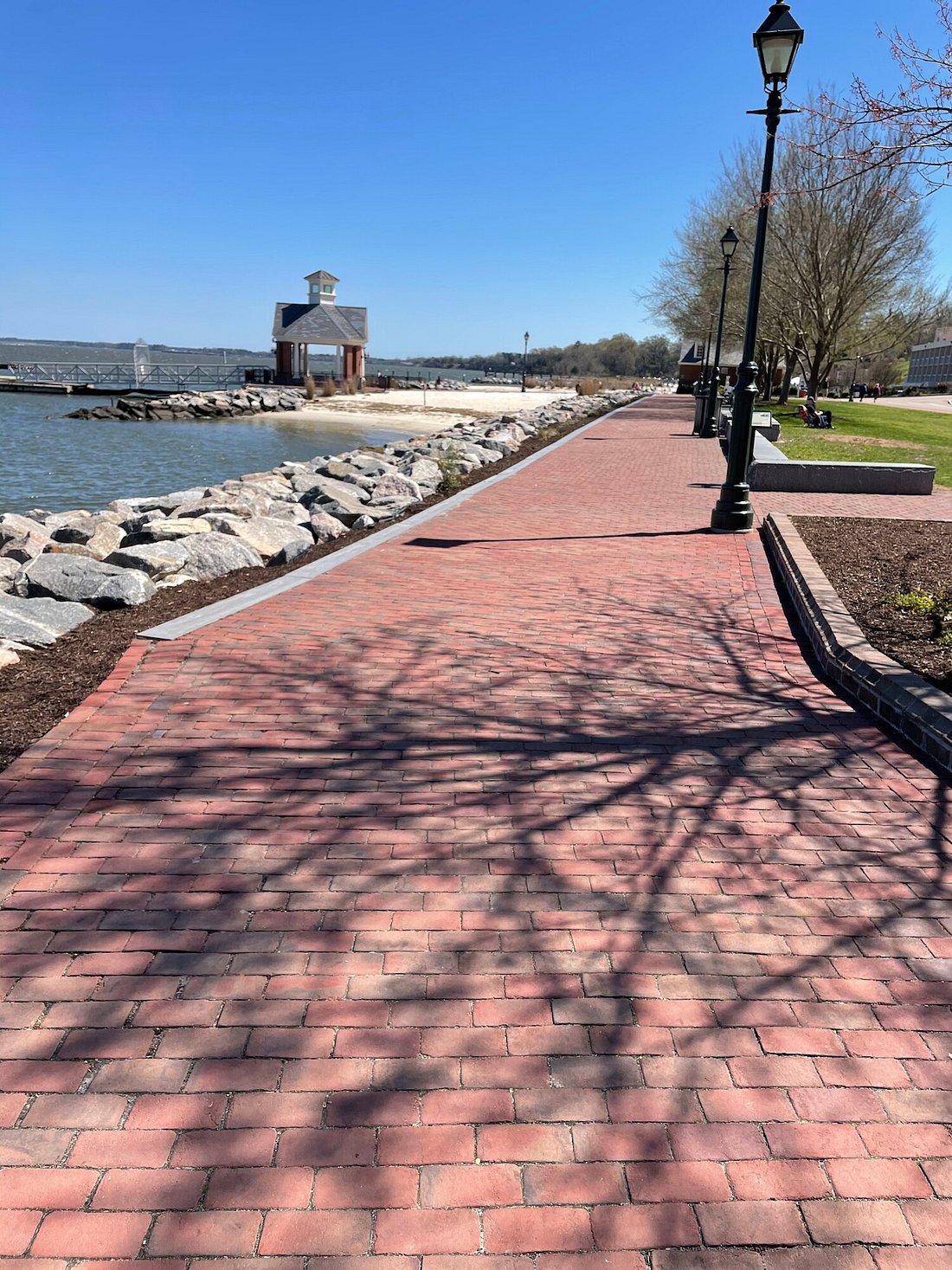
Riverwalk Landing in Yorktown

 The Disabled Traveler